admin
admin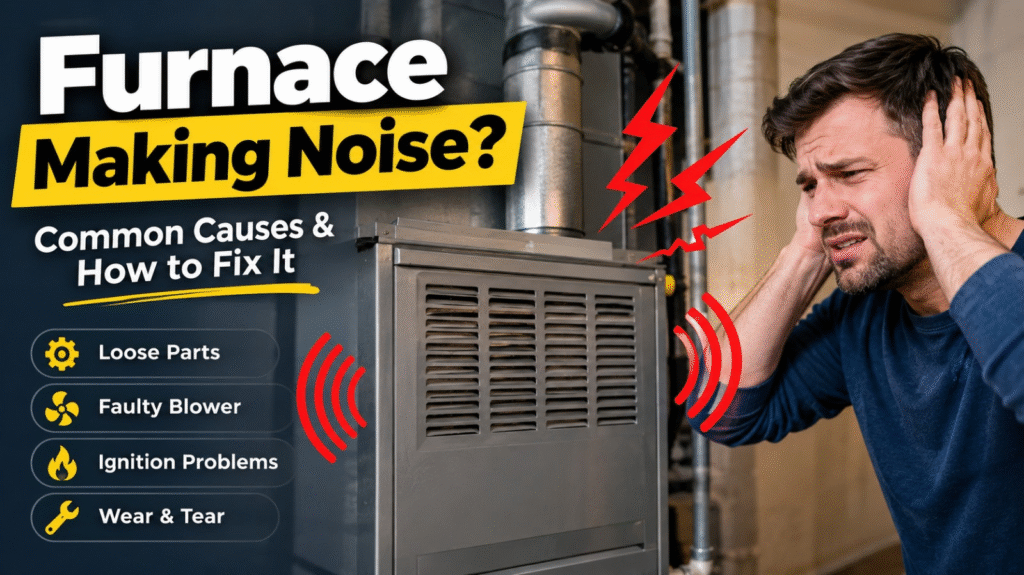
A reliable HVAC system is essential for maintaining a comfortable indoor environment. In Englewood, Colorado, homeowners depend on their heating systems during cold weather and air conditioning during warmer months. Because HVAC equipment works hard throughout the year, occasional maintenance and repairs are an important part of home care.
One of the most noticeable signs of a potential heating problem is a Furnace making noise. Although every furnace produces some sound, unusual noises can sometimes indicate restricted airflow, loose components, mechanical wear, or another issue that needs professional attention.
If you are looking for heating cooling services in Englewood Colorado, understanding the reasons behind furnace noises can help you recognize when it is time to schedule service.
Furnace Making Noise: What Should You Do First?
The first step is to pay attention to the type of sound.
A furnace may make different noises depending on what is happening inside the system. A soft hum or airflow sound may be normal, while a loud bang, grinding noise, or persistent squeal may require investigation.
Instead of ignoring the sound, try to determine:
- When does the noise occur?
- Does it happen every heating cycle?
- Is the sound getting louder?
- Does the furnace still produce enough heat?
- Are there any other unusual symptoms?
These observations can help an HVAC professional understand the problem.
Understanding Normal Furnace Sounds
Before assuming something is wrong, remember that a furnace is an active mechanical system.
During a normal heating cycle, you may hear the thermostat activate the furnace, the ignition system operate, the burners run, and the blower circulate air.
Air moving through ductwork can also create a steady sound.
Normal operating sounds are generally consistent.
The concern is a sudden change.
If your Furnace making noise sounds significantly different from what you have heard previously, it may be time for an inspection.
Loud Banging From the Furnace
A loud bang can be one of the most concerning sounds for homeowners.
Depending on the system, banging during startup may be associated with ignition or burner operation. Dirt accumulation can sometimes affect burner performance.
Loose components and ductwork can also create banging or popping sounds.
Because there are several possible causes, homeowners should not attempt to diagnose combustion or ignition problems themselves.
A qualified HVAC technician can inspect the furnace and determine the appropriate next step.
Rattling and Vibrating Sounds
A rattling furnace may have something loose.
Panels, screws, brackets, duct connections, or other components can vibrate while the blower is running.
Sometimes the source is outside the furnace cabinet, such as a section of ductwork.
If your Furnace making noise produces a persistent rattle, an HVAC professional can determine whether the problem is a loose component or something more significant.
Squealing and High-Pitched Noises
A squealing or screeching sound can sometimes indicate a problem with a moving component.
The blower assembly contains parts that move repeatedly during heating cycles. As equipment ages, mechanical wear can develop.
A persistent high-pitched noise should be inspected rather than ignored.
Prompt attention may help identify a worn component before it fails completely.
Grinding or Scraping Sounds
Grinding is a noise that deserves particular attention.
It may indicate friction involving a motor, bearing, blower wheel, or another moving component.
If you hear grinding whenever the furnace operates, avoid assuming that the sound will disappear by itself.
Turning off the system and contacting a qualified HVAC professional can help prevent further mechanical damage.
Whistling and Airflow Problems
A whistling sound is sometimes related to airflow.
Start by checking the furnace filter. If it is heavily covered with dust, it may be restricting airflow.
You should also check that supply vents and return-air openings are not blocked.
If the whistle continues after replacing a dirty filter and clearing vents, professional HVAC troubleshooting may be necessary.
Heating Cooling Services in Englewood Colorado for Furnace Repairs
When a furnace develops an unusual sound, professional service can help identify the underlying cause.
Reliable heating cooling services in Englewood Colorado can include both heating and cooling solutions.
Common HVAC services may include:
- Furnace diagnostics
- Furnace repair
- Furnace maintenance
- Heating system inspections
- Air conditioning repair
- AC maintenance
- Thermostat troubleshooting
- Airflow evaluation
- HVAC replacement
- Seasonal tune-ups
A professional technician can evaluate the equipment and explain which solution is appropriate.
Could the Air Filter Be Causing the Problem?
Air filters are often overlooked, but they play an important role in HVAC operation.
A dirty filter can restrict the amount of air moving through the system. When airflow decreases, the furnace may have to work harder to distribute heated air.
This can affect comfort and overall system performance.
If you notice your Furnace making noise, inspect the filter.
If it is dirty, replace it with the correct filter recommended for your system.
If the noise remains, additional diagnosis may be needed.
Check Your Home’s Air Vents
Airflow problems do not always originate inside the furnace.
Furniture, curtains, rugs, and storage items can block vents or returns.
Make sure air vents are open and not covered.
It is also important not to close a large number of vents throughout the home in an attempt to redirect heat. HVAC systems are designed to operate with a particular airflow balance.
If airflow remains poor, an HVAC professional can evaluate the system.
Furnace Making Noise at Startup
Startup is an important moment to observe.
If the noise occurs immediately when the furnace turns on, it may involve components that activate during the beginning of the heating cycle.
A brief, minor sound may be related to normal expansion, but a loud repeated bang should be investigated.
Tell the technician exactly when the sound occurs. This can provide valuable information during diagnosis.
Furnace Making Noise While Running
If the noise continues throughout the heating cycle, the source may be associated with the blower, motor, airflow, or ductwork.
A squealing sound may indicate mechanical wear.
A grinding sound may indicate friction.
A whistling sound may indicate restricted airflow.
A rattling sound may indicate vibration.
These are only possibilities, not definitive diagnoses. Professional inspection is needed to determine the actual cause.
Furnace Making Noise When Turning Off
Some furnaces make minor ticking or popping sounds as components cool down.
Metal can expand and contract as temperatures change.
However, loud or repeated noises during shutdown should be evaluated, particularly if the sound is new.
Keeping track of when the noise occurs can help the technician narrow down the potential cause.
Why Preventive Furnace Maintenance Matters
Preventive maintenance can help identify developing HVAC problems.
During a maintenance visit, a qualified technician can inspect relevant components, evaluate system operation, and look for signs of wear or airflow issues.
Maintenance may help homeowners avoid unexpected problems during periods when the furnace is heavily used.
For homeowners seeking heating cooling services in Englewood Colorado, seasonal maintenance can be an effective part of a long-term HVAC plan.
Signs That Your Furnace Needs Professional Service
A noisy furnace should receive additional attention when other warning signs are present.
Look for:
- Uneven temperatures
- Weak airflow
- Frequent cycling
- Unexpected shutdowns
- Difficulty starting
- Thermostat problems
- Unusual odors
- Increasing energy use
- Persistent mechanical noise
If you notice several of these issues together, professional inspection is recommended.
Basic Furnace Checks Homeowners Can Perform
Homeowners can safely perform a few simple checks.
Inspect the Filter
Replace the filter if it is dirty.
Check the Thermostat
Make sure the thermostat is correctly set and functioning.
Clear the Vents
Ensure vents and returns are unobstructed.
Observe the Noise
Determine when and how often the noise occurs.
These steps can provide useful information without requiring you to work on the furnace itself.
Avoid attempting repairs involving electrical wiring, gas connections, ignition components, or internal mechanical parts.
Furnace Safety Is Important
Gas furnaces require professional attention when combustion or gas-related problems are suspected.
If you smell natural gas, leave the area and follow your local gas utility’s emergency procedures.
Do not attempt to locate or repair a suspected gas leak.
If you notice smoke, signs of an electrical issue, or another potentially dangerous condition, prioritize safety and seek appropriate professional assistance.
Should You Repair or Replace a Noisy Furnace?
A Furnace making noise does not necessarily mean it needs to be replaced.
A professional can evaluate several factors before recommending repair or replacement.
These may include:
- Equipment age
- Current condition
- Repair history
- Efficiency
- Cost of repairs
- Availability of parts
- Expected remaining lifespan
If the furnace is relatively new and the issue is isolated, repair may be appropriate.
If the equipment is older and frequently requires repairs, replacement may offer a better long-term solution.
The Importance of Year-Round HVAC Care
Your HVAC system needs attention beyond the heating season.
During warmer months, air conditioning equipment must handle increased demand. Preventive maintenance can help identify cooling problems before they become inconvenient.
Professional heating cooling services in Englewood Colorado can provide support for both heating and cooling systems.
A year-round maintenance approach can include furnace service before winter and AC service before summer.
Choosing Heating Cooling Services in Englewood Colorado
When comparing heating cooling services in Englewood Colorado, homeowners should consider more than the initial service price.
Look for an HVAC provider with:
- Experience with residential systems
- Comprehensive heating and cooling services
- Professional diagnostic practices
- Clear communication
- Transparent estimates
- Maintenance options
- Positive customer feedback
A reliable provider should explain what was found during the inspection and why a particular repair is recommended.
Frequently Asked Questions
Why is my Furnace making noise but still working?
A furnace can continue heating while a component begins to wear or an airflow problem develops. Unusual noise can be an early warning sign.
Why does my furnace make a bang when starting?
Startup banging can have several causes, including burner or ignition problems, loose components, and ductwork movement. Repeated loud banging should be professionally inspected.
Can a dirty furnace filter cause noise?
A dirty filter can restrict airflow and place additional strain on the HVAC system. Replacing the filter may help if restricted airflow is the cause.
What does a squealing furnace indicate?
Squealing can sometimes be associated with moving components such as the blower motor or related mechanical parts. Professional inspection can determine the cause.
Is grinding from a furnace serious?
Grinding may indicate mechanical wear or friction. It is best to have persistent grinding inspected promptly.
Should I turn off a noisy furnace?
If the furnace produces a severe or unfamiliar mechanical sound, shutting it down and contacting an HVAC professional can help prevent possible additional damage. Gas-related symptoms require immediate safety precautions.
How can I prevent furnace problems?
Regular maintenance, appropriate filter replacement, good airflow, and prompt attention to unusual sounds can help maintain reliable furnace operation.
What services do HVAC companies provide?
Depending on the provider, services can include furnace repair, heating maintenance, air conditioner repair, AC maintenance, thermostat troubleshooting, airflow diagnostics, and HVAC replacement.
Final Thoughts
When your furnace suddenly becomes noisy, it is easy to wonder whether the sound is normal or a sign of a serious problem. The answer depends on the type of noise, when it occurs, and the condition of the equipment.
A Furnace making noise may be experiencing restricted airflow, loose components, ductwork vibration, mechanical wear, or another issue. Simple checks such as replacing a dirty filter and clearing blocked vents can address some basic concerns, but persistent or unusual sounds should receive professional attention.
For homeowners looking for heating cooling services in Englewood Colorado, professional HVAC maintenance and repair can help keep heating and cooling systems operating reliably throughout the year.
Instead of waiting for a noisy furnace to stop working completely, pay attention to changes in sound and performance. Early diagnosis, regular maintenance, and professional repairs can help maintain comfort and support the long-term performance of your HVAC system.