admin
admin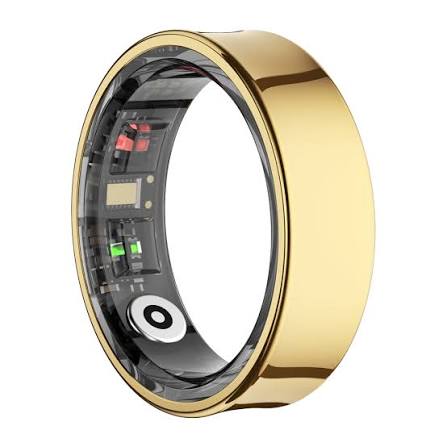
Wearable technology has become an important part of modern life, helping people stay connected, monitor their activity, and manage everyday tasks more conveniently. From smartwatches and fitness bands to smart rings and wireless audio devices, these products offer practical features that fit into different lifestyles. As technology continues to advance, wearable devices are becoming smaller, more comfortable, and easier to use.
For everyday users, the best wearable technology is not necessarily the device with the most advanced specifications. Instead, it is a product that offers useful features, reliable performance, comfortable design, and good value for money. Some people want to track daily activity, while others prefer convenient notifications, sleep insights, or health-related measurements.
Understanding the most useful wearable tech features can help consumers choose devices that meet their needs without spending unnecessarily. Whether someone is exploring a smartwatch for the first time or considering a smart ring, there are several important features worth understanding before making a decision.
Understanding the Growing Popularity of Wearable Technology
Wearable technology refers to electronic devices designed to be worn on the body. These products use sensors, wireless connectivity, and companion applications to provide information or simplify daily activities.
Smartwatches remain popular because they combine notifications, fitness tracking, and communication tools in one device. Fitness bands offer a simpler alternative for users who mainly want activity and sleep information. Smart rings provide another option, particularly for people who prefer compact accessories without a large screen.
The growing popularity of wearables reflects a demand for technology that works naturally throughout the day. Instead of constantly checking a phone, users can receive selected notifications on their wrists or review activity information through an application.
Another important factor is accessibility. Affordable devices now offer features that were once associated mainly with expensive electronics. This gives consumers more opportunities to explore wearable technology according to their budgets and preferences.
Essential Features to Look for in Wearable Devices
Not every feature is equally important for every person. A useful purchasing decision starts with identifying the functions that will provide the greatest everyday benefit.
Heart Rate Tracking
Heart rate tracking is one of the most recognized features in modern wearable technology. Many smartwatches, fitness bands, and smart rings use optical sensors to estimate heart rate by detecting changes in blood flow near the skin.
This information can help users understand general activity patterns and observe how their heart rate changes during exercise, rest, or everyday movement. Depending on the device, users may also review historical measurements through a connected smartphone application.
For example, someone who regularly walks may use heart rate information alongside activity duration to better understand their exercise sessions. Another person may review resting measurements to observe longer-term patterns.
However, consumer wearables are not substitutes for medical equipment. Accuracy can vary depending on sensor quality, device fit, skin contact, movement, and other factors. Users should not rely on a smart ring or smartwatch to diagnose a medical condition.
Daily Activity Monitoring
Activity tracking is another practical feature for everyday users. Wearables can count steps, estimate distance, record active minutes, and monitor certain types of exercise.
These functions make it easier to understand how much movement occurs throughout the day. People who spend long periods sitting at work or studying may appreciate reminders to stand up, stretch, or take a short walk.
Some devices also provide weekly summaries and progress charts. These features help users recognize routines and set realistic activity goals without needing to record every movement manually.
The most useful activity tracker is one that provides understandable information and encourages consistent habits rather than overwhelming users with unnecessary statistics.
Sleep Tracking and Recovery Insights
Sleep tracking is a valuable feature for people interested in understanding their nighttime routines. Depending on the device, wearable sensors may estimate sleep duration, identify periods of movement, and classify sleep into different stages.
Users can review these estimates to identify patterns, such as changing bedtimes or differences between weekdays and weekends. Some applications also combine sleep information with activity and heart rate measurements to provide general recovery insights.
Smart rings can be particularly appealing for overnight tracking because they do not have the same large display or wrist-based form factor as a smartwatch. However, comfort depends on the ring’s size, weight, shape, and individual preferences.
Sleep-tracking measurements are estimates rather than definitive medical assessments. A consistent sleep routine and attention to how rested someone feels remain important when evaluating sleep quality.
Smartphone Notifications and Connectivity
Wearable devices can make daily communication more convenient by displaying notifications from a connected smartphone. Depending on the model, these may include incoming calls, text messages, calendar reminders, and alerts from selected applications.
Smartwatches generally provide more extensive notification controls, while many smart rings concentrate on tracking rather than displaying messages. Some rings offer vibration alerts, but capabilities vary considerably between products.
Bluetooth connectivity is also important because many wearables depend on a smartphone application to synchronize measurements, adjust settings, and display historical information.
Before purchasing a device, users should confirm compatibility with their phone’s operating system and check whether the required application supports all advertised features.
Smart Rings: Compact Technology for Everyday Life
Smart rings have introduced another approach to wearable technology. Instead of wearing a device with a screen, users place a lightweight electronic ring on their finger and access compatible information through a smartphone.
Their compact appearance makes them attractive to people who prefer minimal accessories. Smart rings may also be convenient during sleep, although comfort and fit should be considered carefully.
Why Smart Rings Are Becoming Popular
One reason for the growing interest in smart rings is their discreet design. A ring can look like an ordinary accessory while collecting selected measurements in the background.
Depending on the model, features may include heart rate monitoring, sleep tracking, activity information, and application-based health summaries. Some products also offer additional measurements, but availability and reliability differ by manufacturer.
Smart rings can be suitable for users who want basic wellness information without wearing a smartwatch all day. They may also appeal to people who already use a traditional watch and want a separate device for selected tracking functions.
Nevertheless, a smart ring is not automatically better than a smartwatch. Users who need a screen, detailed notifications, navigation, or extensive workout controls may find a smartwatch more suitable.
Choosing a Budget Smart Ring With Heart Rate Tracking
Consumers searching for a budget smart ring with heart rate tracking should compare practical features rather than focusing only on price or appearance.
Important considerations include the availability of heart rate measurements, sleep tracking, battery life, application compatibility, charging arrangements, and comfort. It is also useful to investigate whether the device provides continuous measurements, periodic readings, or measurements that must be started manually.
The COLMI R09 is one product that shoppers may encounter when researching entry-level smart rings. People searching for the “COLMI R09 UK” can compare its advertised features with their personal requirements and check which specifications are supported by the particular seller.
Before purchasing, buyers should verify the current product listing, regional availability, shipping arrangements, warranty terms, and return policy. They should also confirm whether the companion application works with their smartphone.
An affordable device can be a sensible introduction to wearable technology, but buyers should avoid assuming that every advertised health-related feature performs equally well across different products.
Comfort, Fit, and Everyday Wear
Comfort is essential for a wearable that is intended to remain on the body for extended periods. A ring that feels comfortable during a short test may feel different during sleep, exercise, or changes in temperature.
Smart rings should fit securely without creating uncomfortable pressure. Buyers should consult the manufacturer’s sizing guidance and avoid choosing a size based only on an ordinary jewellery ring.
Material quality, surface finish, water-resistance specifications, and charging convenience also affect everyday usability. Users should check the manufacturer’s instructions before wearing a device while swimming, showering, or performing activities that may expose it to water or physical impact.
Battery Life and Charging Convenience
Battery performance influences how easily a wearable fits into a daily routine. A device that requires frequent charging may be less convenient for someone who wants to track sleep and activity consistently.
Battery life varies according to battery capacity, sensor usage, display brightness, connectivity, software settings, and the frequency of measurements. Smart rings generally have smaller batteries than many smartwatches, so their actual endurance depends heavily on design and power management.
When comparing devices, users should look beyond a manufacturer’s headline battery estimate. It is helpful to determine whether that estimate assumes limited tracking or typical everyday use.
Charging accessories are another consideration. Some smart rings use dedicated charging cases or docks, while smartwatches may use magnetic charging cables or other proprietary systems.
A practical charging routine can reduce interruptions. For example, users may prefer to charge a device during a regular break when they are not relying on it for activity or sleep tracking.
Water Resistance and Durability
Wearable devices accompany users through different environments, from offices and classrooms to gyms and outdoor activities. Durability therefore plays an important role in product selection.
Water resistance can protect a device against specific forms of exposure, but it does not mean every product is safe for every water-related activity. Ratings and manufacturer instructions determine the intended level of protection.
Consumers should check whether a wearable is designed to tolerate rain, sweat, handwashing, swimming, or other activities relevant to their lifestyle. Water resistance can also change over time as seals and materials experience normal wear.
Scratch resistance, build quality, and the availability of replacement accessories are worth considering as well. A durable product may offer better long-term value even if its initial purchase price is slightly higher.
Companion Apps and Data Presentation
The smartphone application is an important part of the wearable experience. A device may contain useful sensors, but confusing software can make the collected information difficult to understand.
A good companion application presents measurements clearly, organizes historical data, and makes common settings easy to access. Charts and summaries can help users compare activity across different days and recognize changes in their routines.
Users should also review the application’s privacy policy and permissions. Wearables may collect personal information related to activity, sleep, and other measurements, so understanding how this information is stored and shared is important.
Before purchasing, consumers can check application screenshots, compatibility requirements, update history, and user feedback. These details may reveal practical limitations that are not obvious from a product’s physical design.
Comparing Wearables According to Everyday Needs
Different wearable categories serve different purposes. Choosing the right one depends on which features matter most.
Smartwatches for Versatility
Smartwatches are often suitable for people who want several functions in one device. They may provide notifications, activity tracking, heart rate measurements, timers, alarms, music controls, and additional applications.
Their larger screens make information easier to view without opening a smartphone. Some models also offer advanced workout features and location services.
However, smartwatches can be larger than rings or fitness bands, and certain models require frequent charging. They may also cost more when users choose premium features.
Fitness Bands for Simplicity
Fitness bands generally emphasize activity tracking, exercise information, and selected wellness measurements. Their designs are often lightweight, making them practical for users who want essential tracking without the complexity of a full smartwatch.
Many bands include a display, step counter, heart rate tracking, and basic notifications. Some provide sleep summaries and multiple exercise modes.
Fitness bands can be a useful middle ground for people who prioritize movement and wellness features but do not need a wide range of applications.
Smart Rings for Minimalist Tracking
Smart rings prioritize compact design and discreet tracking. They are worth considering for users who want selected measurements without wearing a larger device.
Their main limitations may include the absence of a full display, fewer communication functions, and dependence on a smartphone application for detailed reports.
Comparing the three categories helps buyers focus on the experience they actually want instead of paying for features they may rarely use.
Privacy and Security in Wearable Technology
Wearables create convenience, but they also raise questions about personal information. Health-related measurements, location information, activity records, and connected-device data can be sensitive.
Consumers should choose reputable manufacturers, use strong account passwords, and enable available security protections. Reviewing application permissions can help users understand which information a device needs to operate.
It is also worth checking whether data can be exported or deleted and whether the manufacturer explains how information may be shared with third parties.
Users should avoid assuming that every wearable stores information locally or provides the same privacy protections. Reading the relevant policies before creating an account can help people make informed decisions.
How to Choose the Best Wearable Technology on a Budget
Finding the right device does not require buying the most expensive model. A practical approach starts with identifying the features that will genuinely be used.
First, establish a clear purpose. Someone interested in daily steps may need only a basic fitness band, while a person who values discreet sleep and heart rate tracking may prefer a compatible smart ring.
Second, compare total ownership costs. The purchase price is only one part of the decision. Buyers should check for optional subscriptions, replacement chargers, shipping fees, and other possible expenses.
Third, evaluate compatibility and support. A wearable should work with the user’s smartphone and provide access to the features advertised by the manufacturer.
Fourth, examine independent reviews and user feedback. Look for recurring comments about battery life, measurement consistency, comfort, application stability, and customer service rather than relying on promotional claims alone.
Finally, consider return policies and warranty coverage. These protections can be particularly important when purchasing a ring because sizing and comfort may not be easy to judge from photographs.
The Future of Wearable Technology
Wearable technology is continuing to develop as manufacturers improve sensor design, battery efficiency, connectivity, and software analysis. Future devices may provide more personalized summaries and better integration with smartphones and other connected products.
Artificial intelligence may also help applications organize large amounts of activity information into simpler, more understandable reports. However, the usefulness of these features will depend on data quality, transparent explanations, and responsible handling of personal information.
Smaller devices, including smart rings, are likely to remain an important part of the market because they offer an alternative to screen-based wearables. At the same time, smartwatches and fitness bands will continue to appeal to users who want visible information and interactive controls.
As these products evolve, consumers should remain cautious about exaggerated claims. More measurements do not automatically mean better accuracy, and technology should complement sensible everyday habits rather than replace professional advice when health concerns arise.
Conclusion
Exploring the best wearable tech features for everyday users begins with understanding personal priorities. Heart rate tracking, activity monitoring, sleep insights, smartphone connectivity, battery life, comfort, durability, and privacy all contribute to a useful wearable experience.
Smartwatches are suitable for people seeking versatile digital tools, fitness bands offer a straightforward approach to activity tracking, and smart rings provide a compact alternative for selected wellness features.
For consumers researching a budget smart ring with heart rate tracking, the COLMI R09 may be worth investigating alongside other entry-level options. Those searching for the colmi r09 uk should verify current availability, specifications, compatibility, and seller policies before making a purchase.
Ultimately, the best wearable is the one that fits comfortably, performs its intended functions reliably, and provides meaningful value for everyday life. By comparing features carefully and prioritizing practical benefits over marketing claims, consumers can make more confident decisions about wearable technology.