admin
admin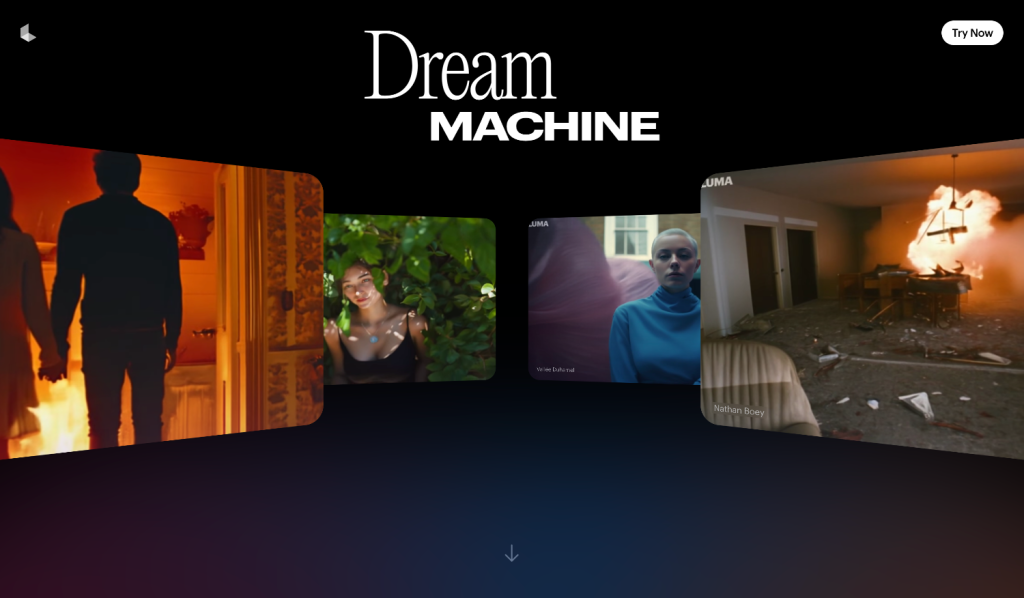
Artificial intelligence is transforming the creative world by giving artists, filmmakers, marketers, designers, and storytellers new ways to turn ideas into visual experiences. Among the emerging tools in this space, Luma dream machine has attracted attention for its ability to help creators explore AI-assisted video generation. Instead of relying entirely on traditional filming equipment, complex editing software, and large production teams, creators can experiment with concepts through written descriptions and visual inputs. This shift makes video creation more accessible while opening the door to creative possibilities that were previously difficult or expensive to achieve.
Understanding the Creative Role of AI
AI has become more than a technology for automation. It is increasingly being used as a creative partner that can help transform imagination into practical concepts. Traditional creative workflows often require a detailed process involving planning, shooting, editing, visual effects, and post-production. AI-powered tools can simplify parts of this process and allow creators to concentrate more on ideas, storytelling, and artistic direction.
Luma dream machine demonstrates how generative AI can support this approach. A creator can begin with a simple concept and use AI to explore different visual interpretations. Rather than committing immediately to a single production idea, artists can test possibilities, compare results, and refine their concepts. This experimental quality makes AI particularly valuable during the early stages of creative development.
Turning Ideas Into Moving Images
One of the most exciting aspects of AI video generation is the ability to translate descriptive prompts into visual sequences. A creator might imagine a cinematic landscape, futuristic city, dramatic character scene, fantasy environment, or abstract artistic composition. Instead of creating every visual element manually, the creator can describe the desired scene and use AI to generate an interpretation.
Luma dream machine can therefore become part of an ideation workflow. The generated result does not necessarily have to be the final product. It can serve as a starting point, reference, mood board, or visual experiment. This changes the relationship between imagination and production because creators can see an approximation of an idea much earlier than they could through conventional filmmaking methods.
Experimentation Without Traditional Limitations
Creative experimentation is often limited by time, budget, equipment, locations, and technical expertise. AI can reduce some of these barriers. A small creative team can explore scenes that would otherwise require expensive sets, specialized equipment, or extensive visual effects.
For independent filmmakers and digital artists, this can be especially valuable. They can explore multiple concepts before deciding which direction deserves further investment. AI-generated footage can also help communicate a creative vision to collaborators, clients, or production teams.
Supporting Filmmakers and Storytellers
Filmmaking involves much more than recording images. Story structure, pacing, atmosphere, camera movement, composition, and visual continuity all contribute to the final experience. AI tools can assist creators in exploring these elements during development.
A filmmaker could use Luma dream machine to experiment with the visual mood of a planned sequence. For example, a written description of a dramatic nighttime scene might inspire different approaches to lighting, movement, environment, and cinematic composition. These experiments can help the filmmaker determine what works before investing heavily in production.
Storytellers can also use AI video generation to visualize scenes from scripts. This may make it easier to identify weaknesses in a story or discover visual opportunities that were not obvious when the concept existed only as text.
Expanding Artistic Expression
Artists have always experimented with new technologies. Photography, digital illustration, computer animation, and video editing each changed artistic possibilities in their respective eras. Generative AI represents another stage in this evolution.
Luma dream machine can be viewed as an additional medium for artistic exploration. Instead of replacing traditional creativity, it can provide another way for artists to express concepts. A painter might use generated motion as inspiration for a series of artworks, while a designer could explore unusual environments and compositions before developing a finished project.
The technology also encourages artists to think differently about their creative process. Rather than asking only how to create something manually, artists can consider how to guide, direct, edit, and refine AI-generated material.
Creating Content for Digital Platforms
The demand for video content continues to grow across websites, social media platforms, advertising campaigns, educational projects, and entertainment channels. Businesses and creators frequently need fresh visual material to maintain audience engagement.
AI-assisted video generation can help support this demand by accelerating the process of developing visual concepts. A marketing team, for instance, could experiment with several campaign ideas before selecting one for full production. Content creators could explore different visual styles for short-form videos, while educators could use generated scenes to make explanations more visually engaging.
The value is not simply speed. AI can make experimentation more practical. When producing a traditional video is expensive, creators may avoid taking creative risks. When experimentation becomes easier, they can test unconventional ideas and discover new approaches.
The Importance of Creative Direction
Although AI can generate impressive visual results, human creativity remains essential. A successful project requires a clear purpose, appropriate storytelling, thoughtful composition, and an understanding of the intended audience. AI can produce possibilities, but the creator must decide which possibilities are meaningful.
Effective prompting is also an important part of the process. Creators need to communicate subjects, environments, actions, mood, style, perspective, and other visual details clearly. Learning how to describe an idea precisely can improve the relationship between the creator’s intention and the generated output.
Refinement Is Part of the Process
The first generated result may not perfectly match the creator’s vision. Instead of treating this as a failure, creators can view each result as part of an iterative process. Adjusting descriptions, changing concepts, and testing alternative directions can gradually lead toward a stronger outcome.
This iterative workflow resembles traditional creative practice. Artists rarely produce their best work without sketches, revisions, experiments, and edits. AI simply provides a faster and more flexible environment for exploring certain aspects of that process.
Ethical and Creative Considerations
The growing use of generative AI also raises important questions about originality, ownership, authenticity, and responsible use. Creators should understand how AI-generated material fits within the rules and expectations of the platforms, clients, and projects they work with.
There is also a broader artistic question: how much of a creative work should be generated by technology? Different creators will answer this differently. Some may use AI for brainstorming and visualization, while others may incorporate generated footage directly into finished projects. The important factor is intentional creative direction.
AI should ideally enhance human imagination rather than eliminate it. The strongest results often come when technology and human judgment work together.
The Future of AI-Assisted Creativity
The future of creative production is likely to involve increasingly collaborative relationships between humans and AI. As generative technologies improve, creators may gain greater control over characters, environments, camera movement, storytelling, editing, and visual style.
Luma dream machine represents part of this broader movement toward accessible AI-assisted video creation. Its potential extends beyond generating individual clips. It can encourage creators to experiment more freely, visualize ideas earlier, and approach production from new perspectives.
For emerging artists, this technology can lower the barrier to visual experimentation. For experienced professionals, it can become another tool within a sophisticated creative workflow. The real potential lies not simply in what AI can generate, but in what people can imagine when the cost of experimentation becomes lower.
Conclusion
AI is changing how creative ideas move from imagination to visual reality. Tools such as Luma dream machine give creators an opportunity to experiment with video concepts, explore artistic directions, visualize stories, and develop content in innovative ways. While AI does not replace the importance of human creativity, it can expand the range of possibilities available to artists and storytellers.
The most exciting aspect of AI-assisted creation may ultimately be its ability to encourage experimentation. Creators can test ideas, learn from unexpected results, refine their concepts, and discover visual approaches they might never have considered through traditional methods alone. As the technology continues to evolve, the relationship between human imagination and AI generation will likely become an increasingly important part of the creative landscape.