
 Jackson
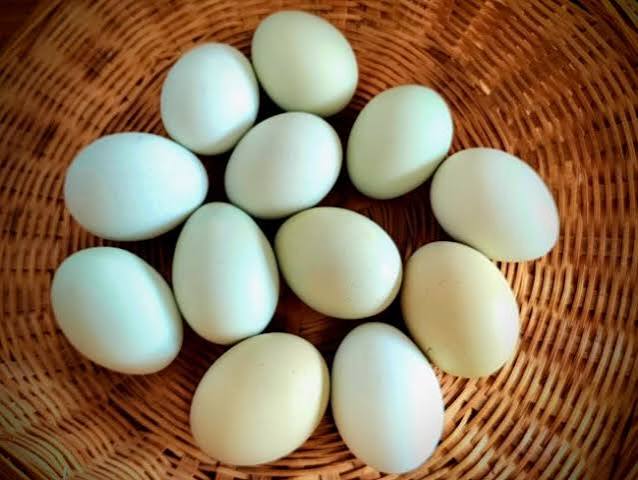
Backyard chicken keeping has become increasingly popular among people who enjoy fresh eggs, raising poultry, and creating productive home gardens. While many chicken breeds are valued for their egg araucana eggs for sale production, appearance, or friendly temperament, Araucana chickens stand out for a particularly interesting feature: their naturally blue eggs. These distinctive eggs have captured the attention of poultry enthusiasts and backyard breeders who want something unique in their flocks.
Araucana eggs offer more than an unusual appearance. They represent an opportunity for breeders to explore heritage poultry, improve their understanding of chicken genetics, and add variety to their egg baskets. From their attractive shell color to the fascinating characteristics of Araucana chickens, there are several reasons why these birds continue to attract interest from backyard poultry keepers.
The Unique Appeal of Naturally Blue Araucana Eggs
One of the main reasons Araucana eggs attract backyard chicken breeders is their beautiful blue shell color. Unlike the white or brown eggs commonly found in supermarkets, Araucana eggs can display shades ranging from pale blue to a deeper, more noticeable blue-green tone.
This natural coloration comes from genetics. Araucana chickens carry a gene associated with blue eggshell production, which influences the color of the shell as it develops. The pigment is incorporated into the eggshell, producing blue coloration throughout the shell rather than simply coating the outside.
For backyard breeders, this characteristic makes Araucana eggs especially appealing. A collection of eggs in different colors can create an attractive assortment for household use, farmers’ markets where permitted, or small-scale egg sales. The distinctive appearance also makes these eggs interesting to people who are discovering heritage chicken breeds for the first time.
It is important to remember that shell color alone does not determine an egg’s nutritional value. Araucana eggs can be part of a balanced diet, just like eggs from other healthy laying hens.
A Valuable Choice for Backyard Breeding Projects
Backyard chicken breeders often look for breeds that offer interesting characteristics and opportunities for long-term flock development. Araucanas are attractive in this respect because their blue egg color is a recognizable genetic feature.
Breeders who raise Araucanas can learn about inheritance, selective breeding, and the importance of maintaining accurate records. Observing egg color, hatchability, chick development, and adult characteristics helps poultry keepers understand how different traits appear across generations.
Responsible breeding requires more than choosing birds that lay attractive eggs. Breeders should also consider health, fertility, temperament, body condition, and conformity to the recognized characteristics of the breed.
Maintaining these priorities helps support strong, healthy flocks rather than focusing exclusively on appearance. It also gives backyard breeders a more sustainable foundation for future breeding projects.
Anyone planning to raise Araucanas should research the breed standard recognized in their country, since breed descriptions and accepted characteristics may vary among poultry organizations.
Understanding Araucana Chickens and Their Heritage
Araucana chickens are associated with South America and have become known internationally for their distinctive blue eggs. Their history and development have attracted the attention of poultry enthusiasts interested in traditional breeds and the genetic diversity of domestic chickens.
The breed is often discussed alongside other blue-egg-laying chickens, including Ameraucanas and Easter Eggers. However, these birds are not interchangeable. Araucanas have specific breed characteristics, while Ameraucanas were developed as a separate breed, and Easter Eggers are generally mixed or non-standard birds capable of producing eggs in different colors.
Understanding these differences is particularly important when purchasing breeding stock or searching for Araucana hatching eggs.
A reputable seller should clearly identify the type of chicken being offered and provide accurate information about the parent flock. This helps buyers make informed decisions and reduces confusion when raising chicks or developing a breeding program.
Araucana Hatching Eggs Offer an Interesting Learning Experience
For poultry enthusiasts who want to expand their knowledge, Araucana hatching eggs can provide an engaging introduction to the chicken life cycle. Incubating eggs allows breeders to observe development from fertilized egg to chick, provided that the eggs are fertile and handled appropriately.
Successful hatching depends on several factors, including egg fertility, storage before incubation, temperature, humidity, ventilation, and turning. Even when these conditions are managed carefully, not every egg will hatch.
Araucanas can also present breeding challenges because some lines carry genetic characteristics associated with ear tufts. The genetics of this trait can affect chick survival, making knowledgeable breeding practices especially important. Some Araucana lines may also have reduced hatchability for other reasons, so breeders should seek guidance from experienced poultry keepers and prioritize animal welfare.
When buying Araucana hatching eggs, prospective breeders should ask about the age and health of the parent birds, flock management, fertility history, and packaging practices. Shipping can affect hatchability, so purchasing from a reliable source and understanding the limitations of shipped eggs are both worthwhile steps.
Adding Color and Diversity to the Backyard Egg Basket
A colorful egg basket is one of the most enjoyable benefits of keeping several chicken breeds. Araucanas can contribute blue eggs, while other breeds may produce white, brown, cream, or darker brown eggs.
This variety appeals to backyard keepers who enjoy collecting eggs for their families. It can also help small poultry operations distinguish their products, subject to local food safety, labeling, and sales requirements.
For households interested in sustainable living, raising a diverse flock can provide a steady supply of fresh eggs while creating opportunities to learn about poultry care. However, egg production varies according to age, health, diet, daylight hours, season, and individual genetics.
Araucanas should therefore be selected for their overall suitability to a breeder’s needs rather than the expectation of a fixed number of eggs throughout the year.
Keeping reliable production records can help breeders understand the performance of their individual hens and plan their flock more effectively.
Important Considerations Before Buying Araucana Eggs
Although Araucana eggs are appealing, prospective breeders should carefully evaluate their plans before making a purchase. Hatching eggs require suitable equipment, appropriate facilities, and enough time to care for chicks after they emerge.
First, consider whether there is enough space to raise the birds comfortably. Chickens need secure housing, protection from predators, access to clean water, balanced poultry feed, and suitable outdoor areas where permitted.
Second, look for trustworthy breeders. Quality sellers should answer questions about the birds’ background, health, laying characteristics, and breeding history. They should also explain whether the eggs come from recognized Araucana stock or from chickens that simply lay blue eggs.
Third, learn about the breed’s temperament and care requirements. Individual birds differ, and the behavior of a flock depends on handling, housing, genetics, and social conditions. Good management is essential for keeping chickens healthy and reducing stress.
Finally, consider local rules regarding poultry ownership, flock sizes, noise, and the sale of eggs. Understanding these requirements before purchasing birds can prevent future problems.
The Importance of Responsible Araucana Breeding
Responsible breeding is essential for preserving the distinctive characteristics that make Araucanas popular. Breeders should avoid selecting birds solely for egg color while overlooking health, fertility, and overall quality of life.
A well-managed breeding program includes clean housing, appropriate nutrition, routine health monitoring, careful recordkeeping, and the prevention of unnecessary inbreeding. Breeders should also understand the genetic risks associated with certain Araucana traits and seek advice from experienced poultry specialists when necessary.
It is equally important to provide appropriate care for chicks and adult birds. Young chickens need suitable warmth, clean bedding, safe access to food and water, and protection from drafts and predators. Adult hens benefit from balanced feed, adequate space, and regular observation for signs of illness.
By focusing on these fundamentals, backyard breeders can enjoy the distinctive appeal of Araucanas while supporting healthy and sustainable poultry keeping.
Where to Find Araucana Eggs for Sale
People interested in raising Araucana chickens can begin by researching specialist poultry breeders, heritage chicken farms, and reputable hatcheries. Searching for Araucana eggs for sale can help identify potential suppliers, but buyers should verify the seller’s reputation and understand exactly what is being offered.
Some suppliers sell table eggs for eating, while others offer fertile hatching eggs intended for incubation. These products serve different purposes, so buyers should confirm the intended use before ordering.
When evaluating a supplier, ask about the parent birds, breeding practices, egg handling, shipping arrangements, and any available hatchability information. Clear communication and realistic expectations are important, particularly when eggs must travel long distances.
It is also worth comparing local suppliers with specialist breeders farther away. A nearby source may reduce shipping time and handling, although the quality and suitability of the breeding stock remain important considerations.
Conclusion
Araucana eggs attract backyard chicken breeders for several compelling reasons, including their naturally blue shells, heritage appeal, and potential role in interesting breeding projects. They offer poultry enthusiasts a chance to explore chicken genetics, diversify their egg baskets, and develop a deeper understanding of responsible flock management.
However, successful Araucana breeding involves more than obtaining unusual eggs. Choosing healthy breeding stock, researching the breed’s characteristics, providing appropriate care, and working with reputable suppliers are all essential steps.
For backyard poultry keepers seeking a distinctive addition to their flock, Araucanas can be a rewarding option. With careful planning and responsible management, these remarkable blue-egg-laying chickens can bring variety, learning opportunities, and enjoyment to a backyard poultry project.
