Jackson
In today’s competitive retail landscape, store design has become a powerful tool for attracting customers and increasing sales. The layout, ambiance, and overall design of your store play a crucial role in shaping the customer experience. By creating an inviting and engaging environment, retailers can maximize their sales potential and build lasting customer relationships.
Why Store Design Matters
Your store design is more than just aesthetics; it’s about functionality and psychology. A well-thought-out store design can:
- Enhance Customer Experience: A comfortable and visually appealing environment encourages customers to spend more time browsing.
- Influence Purchasing Decisions: Strategic placement of products can guide shoppers to make impulsive or planned purchases.
- Strengthen Brand Identity: The design of your store reflects your brand’s personality and values, creating a memorable impression on customers.
Key Elements of Effective Store Design
1. Layout Planning
The layout of your store serves as the foundation for its functionality and flow. Common layouts include grid, loop, and free-flow designs. Choose one that aligns with your product type and target audience.
- Grid Layout: Ideal for grocery and convenience stores, offering efficiency and organization.
- Loop Layout: Encourages customers to explore the entire store by following a designated path.
- Free-Flow Layout: Provides a more relaxed and creative browsing experience, suitable for boutiques and high-end retail.
2. Lighting
Lighting has a significant impact on mood and perception. Proper lighting highlights products, sets the tone, and guides customers’ attention.
- Ambient Lighting: Establishes the overall atmosphere.
- Task Lighting: Focuses on specific areas, like checkout counters or display shelves.
- Accent Lighting: Adds drama and emphasizes featured products.
3. Visual Merchandising
Visual merchandising is an essential aspect of store design. Use attractive displays, color schemes, and signage to grab attention and communicate your brand message.
- Window Displays: Create a strong first impression to draw customers inside.
- Eye-Level Placement: Place high-margin products at eye level to boost visibility and sales.
- Thematic Displays: Use seasonal or trending themes to keep the shopping experience fresh and engaging.
4. Navigation and Signage
Clear navigation and signage ensure that customers can easily find what they need.
- Directional Signs: Help guide customers through the store.
- Informational Signs: Provide product details or promotional offers.
- Branding Signs: Reinforce your brand identity at key touchpoints.
The Role of Technology in Store Design
Modern technology has transformed store design by enabling interactive and personalized experiences. Retailers can leverage:
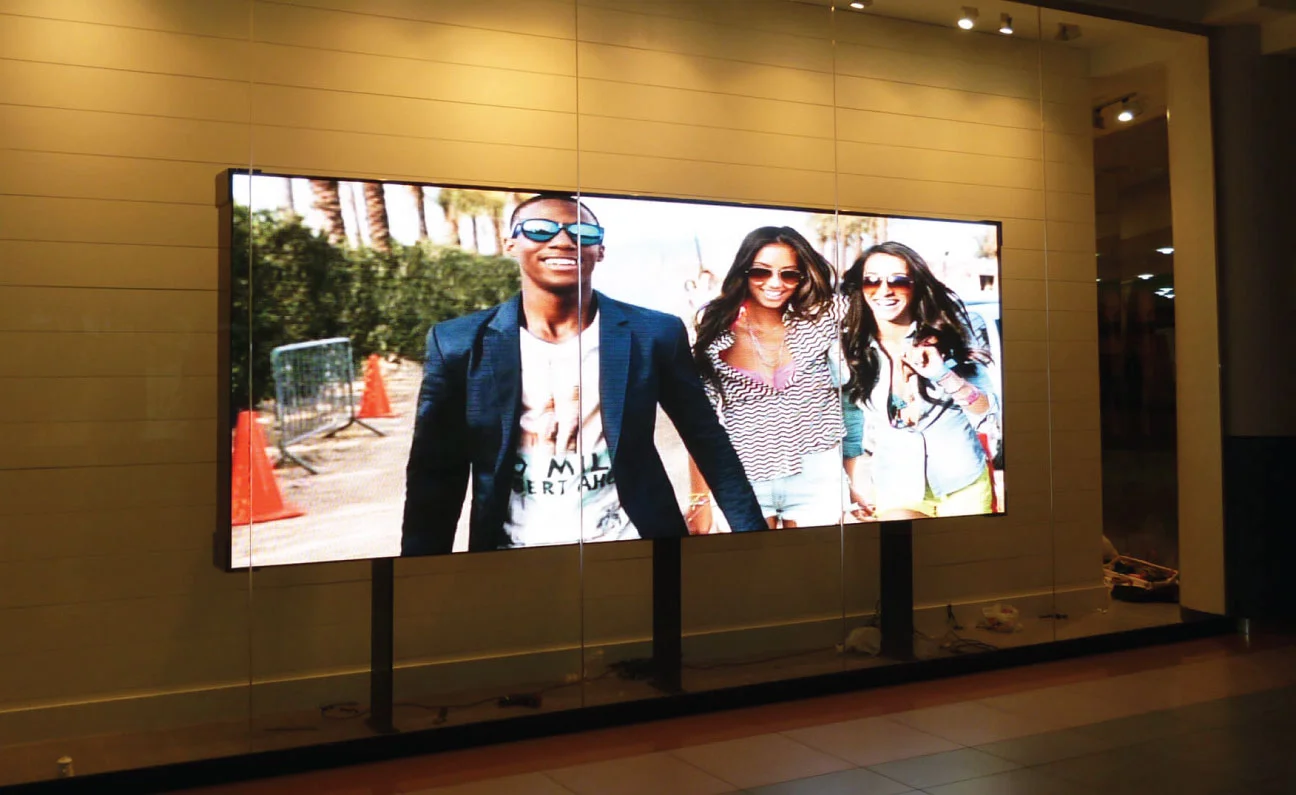
- Digital Displays: Showcase dynamic content, such as promotions or product videos.
- Smart Shelves: Provide real-time inventory updates and personalized recommendations.
- Self-Checkout Kiosks: Improve convenience and reduce wait times.
Sustainability in Store Design
Eco-friendly store design not only benefits the environment but also appeals to conscious consumers. Consider using:
- Energy-Efficient Lighting: Reduce energy consumption with LED lights.
- Recycled Materials: Incorporate sustainable materials in fixtures and decor.
- Green Spaces: Add indoor plants to create a welcoming and refreshing atmosphere.
Partnering with Experts for Outstanding Store Design
Creating an inviting store design requires expertise and attention to detail. At Lux Store Fixture, we specialize in crafting custom store fixtures and designs that align with your brand’s vision. From concept to execution, our team ensures every element of your store design enhances customer experience and drives sales.
Conclusion
Investing in exceptional store design is a strategic move that can set your business apart in the competitive retail market. By focusing on layout, lighting, visual merchandising, and sustainability, you can create an environment that not only attracts customers but also encourages them to return. Whether you’re starting fresh or revamping an existing space, remember that thoughtful store design is the key to retail success.