Jackson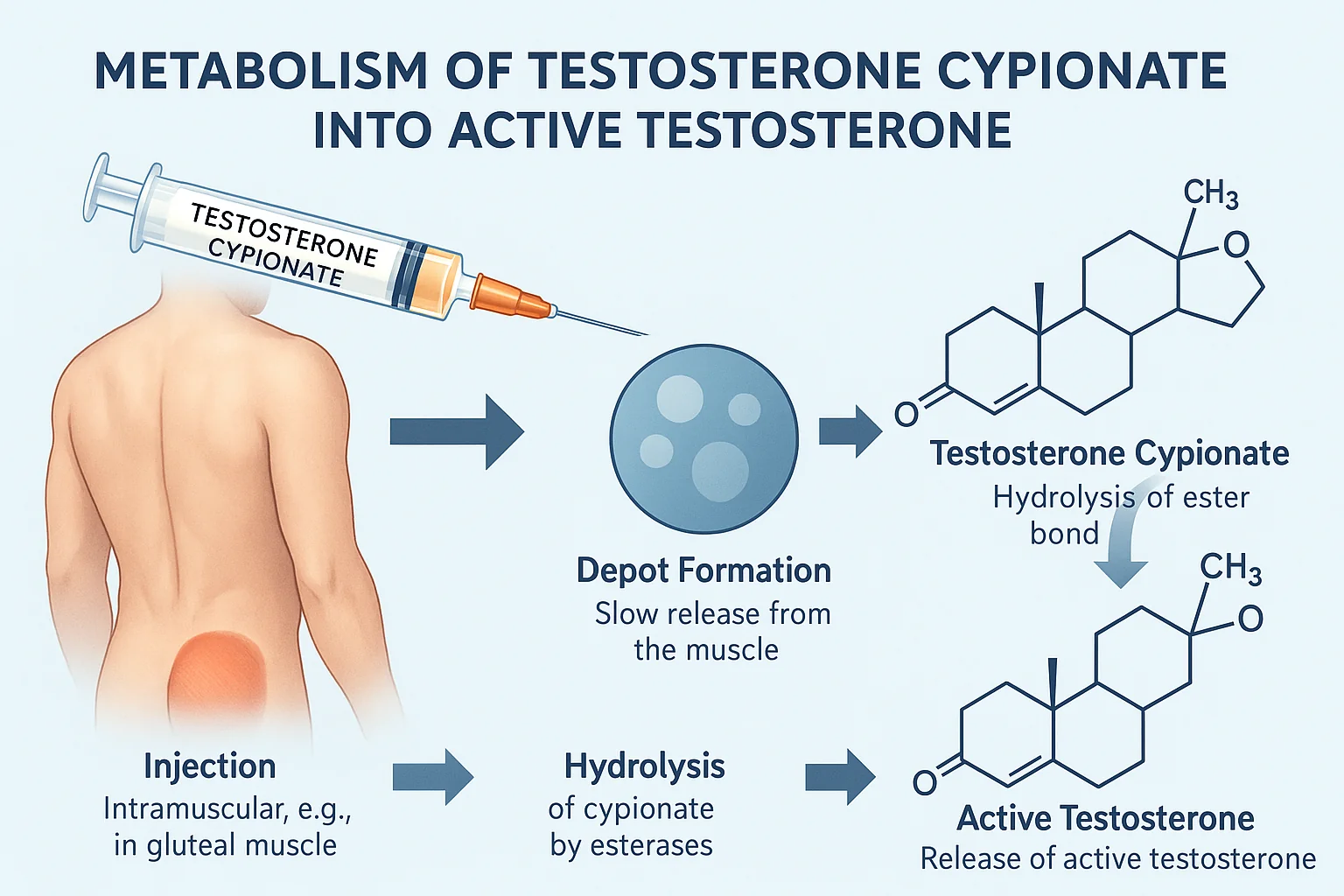
Searching for testosterone cypionate for sale can produce a confusing mix of medical information, online advertisements, product listings, and claims about testosterone therapy. Because testosterone cypionate is a prescription medication, understanding what it is, why it is prescribed, and how legitimate products are regulated is more important than simply comparing prices or advertised strengths. A careful approach can help people distinguish appropriate medical treatment from potentially unsafe or misleading product claims.
What Is Testosterone Cypionate?
Testosterone cypionate is an injectable form of testosterone. It belongs to a group of medicines called androgens and is used in certain patients when testosterone replacement is medically appropriate. It is generally administered by injection according to a healthcare professional’s instructions.
Testosterone plays several important roles in the body, including supporting reproductive function, muscle and bone development, red blood cell production, and other physiological processes. However, testosterone treatment is not automatically appropriate for everyone experiencing fatigue, changes in body composition, reduced sexual interest, or other symptoms sometimes associated with low testosterone.
A medical assessment is normally needed to determine whether testosterone deficiency is actually present and whether treatment is suitable. Healthcare professionals may consider symptoms, laboratory results, medical history, age, existing conditions, and potential risks before recommending therapy.
Why Medical Evaluation Matters
One of the most important considerations when researching testosterone cypionate is that treatment should be based on an appropriate diagnosis rather than advertising claims. Testosterone levels naturally fluctuate, and a single laboratory result may not provide a complete picture.
Doctors may use repeated morning testosterone measurements along with other assessments when evaluating possible testosterone deficiency. They may also investigate whether an underlying health issue is contributing to symptoms.
This distinction matters because testosterone therapy can affect different body systems. Depending on the individual, treatment may influence red blood cell levels, fertility, prostate-related considerations, cardiovascular risk factors, sleep-related conditions, and other aspects of health.
People considering testosterone treatment should therefore discuss their circumstances with a qualified healthcare professional rather than relying solely on online product descriptions.
Understanding Regulation and Prescription Requirements
When people search for testosterone cypionate for sale, they may encounter products from pharmacies, online marketplaces, clinics, overseas websites, or informal sellers. These sources are not necessarily equivalent.
Testosterone cypionate is a regulated prescription medicine in many countries. Requirements vary by jurisdiction, but legitimate treatment generally involves medical evaluation and a valid prescription where required. Regulations exist partly because testosterone can cause significant effects when used incorrectly and because inappropriate use can create health risks.
A legitimate medicine should come through an authorized supply chain and have appropriate labeling, packaging, storage information, and manufacturer details. Buyers should be particularly cautious about websites that promise prescription medicines without appropriate medical oversight or make unusually strong claims about guaranteed results.
Product Claims Deserve Careful Attention
Online advertisements can make testosterone products sound more predictable than they really are. Statements promising dramatic muscle growth, guaranteed energy increases, rapid fat loss, or immediate changes in appearance should be viewed critically.
Medical treatment does not produce identical results in every person. The effects of testosterone depend on factors such as the underlying condition, individual physiology, dosage, treatment duration, other medications, and overall health.
Another important issue is product authenticity. A product advertised online may not necessarily contain the stated ingredient or concentration. Counterfeit or improperly manufactured medicines can introduce additional risks, particularly when the contents, sterility, or storage conditions are uncertain.
For that reason, consumers should focus on the legitimacy of the medication and its supply chain rather than assuming that a lower advertised price represents better value.
What to Look for in Legitimate Medication Information
Reliable medication information should clearly identify the active ingredient, strength, manufacturer, instructions, warnings, storage requirements, and applicable prescription information. Packaging should be consistent with the requirements of the country where the medicine is being supplied.
Consumers should also be able to obtain professional guidance about appropriate use. A legitimate healthcare provider should be willing to discuss medical history, laboratory testing, possible interactions, contraindications, and monitoring.
By contrast, warning signs can include anonymous sellers, unclear manufacturing information, exaggerated promises, pressure to purchase quickly, unusually low prices, missing prescribing information, or claims that medical supervision is unnecessary.
Possible Risks and Side Effects
Testosterone therapy can have adverse effects, which is another reason professional monitoring is important. Potential issues can include acne, changes in mood, fluid retention, increased red blood cell counts, and changes in reproductive function.
Testosterone can also suppress sperm production, making it an important consideration for people who want to maintain fertility. Depending on a person’s medical history, healthcare professionals may also pay attention to cardiovascular, prostate, blood pressure, and sleep-related considerations.
The appropriate monitoring schedule varies from person to person. A clinician may order blood tests and other evaluations during treatment to determine whether therapy remains appropriate and whether adjustments are necessary.
Testosterone Therapy Is Not the Same as Performance Enhancement
Another source of confusion surrounding testosterone cypionate is the difference between medically supervised testosterone replacement and non-medical performance enhancement.
Testosterone prescribed for a diagnosed medical condition has a therapeutic purpose. Using testosterone without a medical indication, taking more than prescribed, or combining it with other performance-enhancing substances can create additional risks.
Online discussions sometimes present testosterone as a simple solution for increasing muscle mass or improving athletic performance. Such claims can overlook the potential consequences of unsupervised hormone use and should not be treated as medical advice.
How to Evaluate Online Information
When researching testosterone cypionate for sale, consumers should first determine whether the information comes from a reliable medical or regulatory source. Government health agencies, licensed pharmacies, qualified healthcare professionals, and established medical references generally provide more dependable information than anonymous product pages.
It is also useful to separate factual information from marketing language. A product description may emphasize convenience, strength, or potential benefits while providing limited discussion of contraindications and risks.
Comparing information across several reliable sources can help identify inconsistencies. If a seller’s claims appear substantially different from established medical guidance, that difference deserves investigation before any decision is made.
Making an Informed Treatment Decision
The safest approach to testosterone treatment begins with determining whether treatment is medically appropriate. If a person has symptoms associated with possible testosterone deficiency, discussing them with a qualified healthcare professional is a better starting point than purchasing medication based on an online advertisement.
A healthcare professional can help determine whether testosterone deficiency is present, identify possible causes, discuss alternatives, and explain expected benefits and risks. If testosterone cypionate is prescribed, the clinician can also provide instructions concerning administration and monitoring.
Ultimately, the phrase testosterone cypionate for sale should not be treated simply as a shopping search. It relates to a regulated prescription medicine that requires careful consideration of diagnosis, product authenticity, legal requirements, and individual health circumstances.
A More Responsible Way to Understand Product Listings
Online availability does not automatically establish that a medicine is legitimate, safe, or suitable. Consumers should verify that medicines come from authorized sources and should follow the regulations applicable in their country.
The most useful questions are not simply how much a product costs or how quickly it promises results. Instead, people should ask whether the medication is genuine, whether it is legally supplied, whether a qualified professional has determined that treatment is appropriate, and whether proper monitoring is available.
Understanding these factors makes it easier to separate responsible medical treatment from unsupported marketing claims. Testosterone cypionate can have an important therapeutic role for appropriately diagnosed patients, but its use should remain grounded in professional medical evaluation, regulated supply, accurate product information, and ongoing attention to individual health and safety.