
 Jackson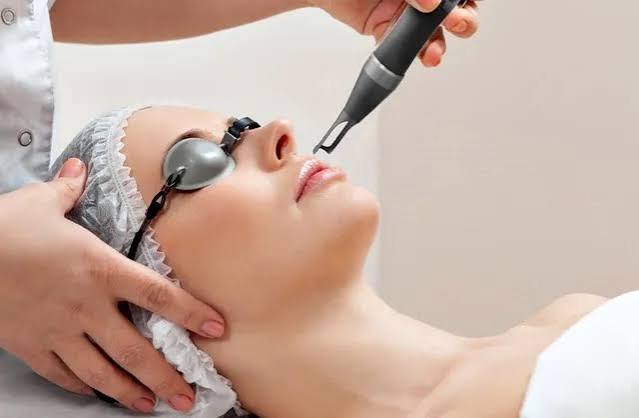
Smooth, even-looking skin is a common skincare goal, but factors such as sun exposure, acne, aging, and environmental stress can affect the skin’s texture and Laser Skin Resurfacing tone. Uneven pigmentation, rough patches, fine lines, and acne scars may make the complexion appear less uniform. Laser Skin Resurfacing is a cosmetic treatment that can help address several of these concerns by using controlled laser energy to improve the appearance and surface quality of the skin.
What Is Laser Skin Resurfacing?
Laser Skin Resurfacing is a dermatological procedure that uses laser energy to target specific areas of the skin. Depending on the treatment, the laser may remove damaged outer layers or heat deeper layers of the skin without significantly affecting the surface.
The goal is to encourage the skin’s natural renewal process and stimulate collagen production. Collagen is an important structural protein that helps support firmness and smoothness. Different laser technologies are available, so treatment intensity and results can vary depending on the patient’s skin type, concerns, and treatment goals.
How It Improves Skin Texture
One of the main benefits of Laser Skin Resurfacing is its ability to improve uneven skin texture. Roughness can develop from sun damage, acne scars, enlarged pores, and natural aging. Laser treatments can help create a smoother-looking surface by encouraging skin renewal and collagen remodeling.
As older, damaged skin is gradually replaced with newer skin, the complexion may appear more refined. Fine lines can also become less noticeable as collagen production increases over time. For people concerned about mild acne scarring or uneven areas, laser resurfacing may help soften the appearance of certain imperfections.
Improving Uneven Skin Tone
Uneven skin tone can result from sun exposure, post-acne marks, freckles, and other forms of pigmentation. Laser Skin Resurfacing can target certain pigment irregularities and encourage the skin to renew itself.
Depending on the laser technology used, treatment may help reduce the appearance of discoloration and create a more balanced-looking complexion. However, pigmentation concerns can be complex, and some types of pigmentation may require specialized treatment. A qualified dermatologist can determine whether laser resurfacing is appropriate.
Reducing the Appearance of Fine Lines
Fine lines are another common concern addressed with laser resurfacing. As people age, the skin naturally produces less collagen and elastin, which can contribute to changes in firmness and texture.
Laser energy can stimulate collagen remodeling in targeted areas. Over time, this process may make the skin look smoother and more refreshed. Laser treatment does not stop the natural aging process, but it can improve the appearance of certain signs of skin aging.
Helping With Acne Scars
Acne scars can leave uneven areas on the skin long after active acne has disappeared. Some resurfacing lasers can improve the appearance of certain types of acne scars by encouraging collagen production and skin remodeling.
Results depend on the type, depth, and severity of the scars. Deeper scars may require multiple treatments or a combination of procedures. A skincare professional can evaluate the scars and recommend an appropriate approach.
Different Types of Laser Resurfacing
Laser resurfacing treatments generally fall into two broad categories: ablative and non-ablative treatments.
Ablative lasers remove controlled layers of the skin’s surface. They can provide more significant resurfacing but may involve more downtime and require careful aftercare.
Non-ablative lasers work deeper in the skin while leaving much of the surface intact. They typically involve less downtime, although several sessions may be recommended to achieve the desired improvement.
Fractional laser treatments are another option. They treat microscopic columns of skin while leaving surrounding areas untreated. This approach can encourage healing and collagen production while potentially reducing recovery time compared with treating the entire surface.
What to Expect During Treatment
Before Laser Skin Resurfacing, a professional should assess the skin and discuss medical history, current skincare products, previous treatments, and treatment goals. This assessment helps determine which laser technology and treatment intensity may be suitable.
During the procedure, the skin is cleaned and protective measures are used. Depending on the treatment, a topical anesthetic or another form of comfort control may be provided. The laser is then applied to the targeted areas.
After treatment, temporary redness, sensitivity, swelling, dryness, or peeling may occur. The exact recovery period depends on the type and intensity of the procedure.
Aftercare for Better Results
Proper aftercare is an important part of Laser Skin Resurfacing. Patients should follow the specific instructions provided by their dermatologist or qualified treatment provider.
Gentle skincare products are generally preferred during the recovery period. Sun protection is especially important because treated skin can be more sensitive to ultraviolet exposure. A broad-spectrum sunscreen, protective clothing, and limiting unnecessary sun exposure can help protect the skin.
Patients should also avoid picking, scratching, or aggressively exfoliating treated areas while the skin is healing. Using recommended moisturizers can help support the skin barrier during recovery.
How Many Treatments Are Needed?
The number of treatments varies from person to person. Some people may notice improvement after one procedure, while others may need several sessions. Factors such as skin condition, treatment type, laser intensity, age, and individual healing can influence results.
A professional consultation is the best way to establish realistic expectations. Results also tend to develop gradually because collagen remodeling and skin renewal take time.
Is Laser Skin Resurfacing Suitable for Everyone?
Laser resurfacing is not appropriate for every person or every skin concern. Skin type, pigmentation tendencies, medications, active skin conditions, and previous cosmetic treatments may influence whether the procedure is suitable.
People with darker skin tones may have a higher risk of certain pigmentation changes with some laser treatments, making professional assessment particularly important. Choosing an experienced dermatologist or qualified medical professional can help reduce unnecessary risks.
Final Thoughts
Laser Skin Resurfacing can be an effective option for improving the appearance of uneven texture, fine lines, acne scars, and certain pigmentation concerns. By encouraging skin renewal and, with many treatments, stimulating collagen production, it can help create a smoother and more even-looking complexion.
The best results come from choosing an appropriate laser treatment, having realistic expectations, and following professional aftercare instructions. Anyone considering Laser Skin Resurfacing should first receive an individual assessment from a qualified skincare professional to determine whether the treatment is suitable for their skin and goals.

