admin
admin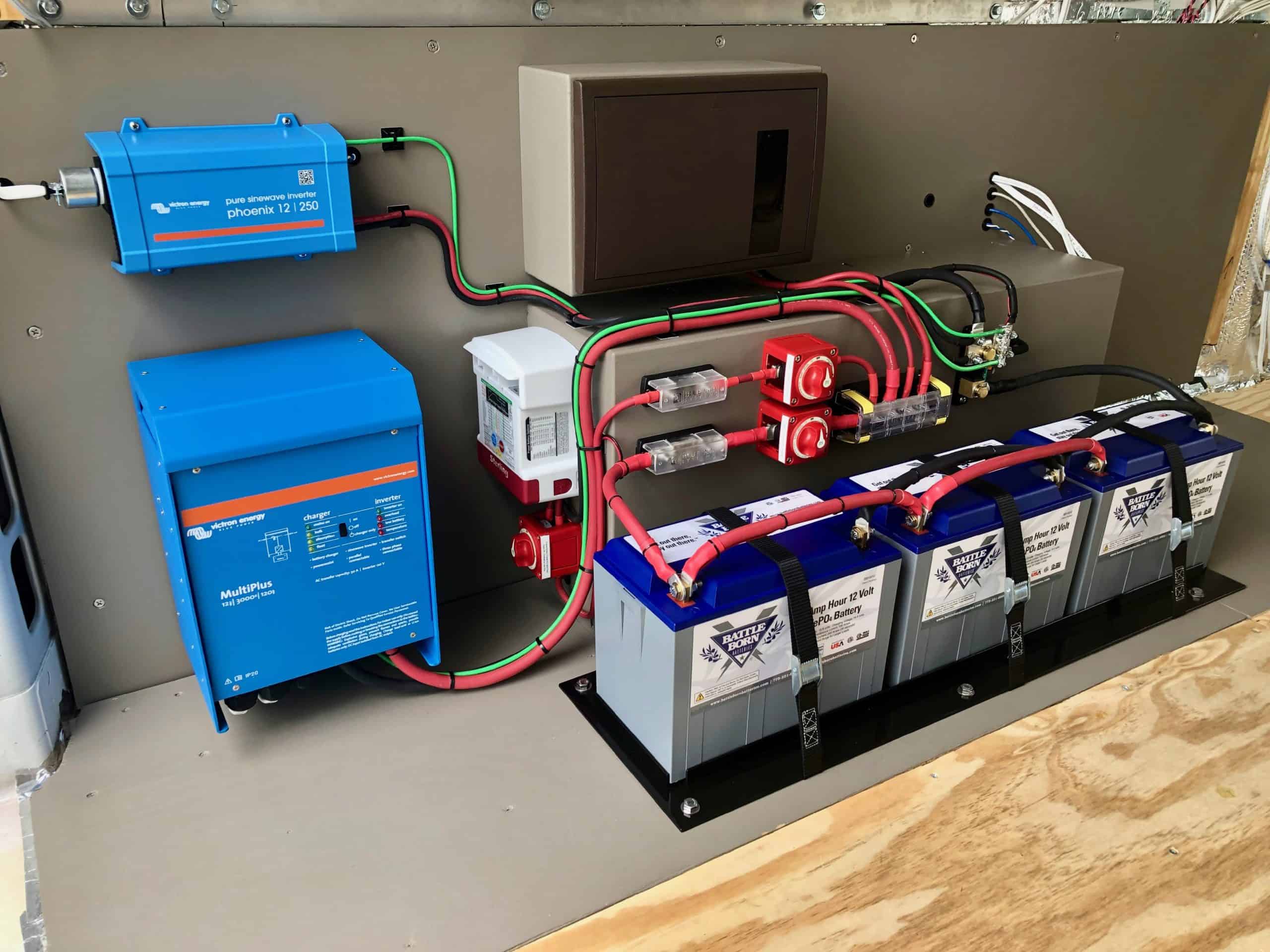
Battery systems have become a vital component of modern technology and energy infrastructure, playing a key role in everything from powering smartphones to supporting national electrical grids. As society shifts toward cleaner, more sustainable energy sources, efficient and reliable battery systems are essential for storing energy, enhancing mobility, and ensuring energy security.
What Are Battery Systems?
Battery systems refer to collections of batteries and related components (such as battery management systems, inverters, and cooling mechanisms) that store and distribute electrical energy. These systems can range in size from small units in wearable devices to massive battery banks in electric vehicles (EVs), renewable energy plants, and data centers.
Types of Battery Systems
- Lithium-Ion (Li-ion) Batteries
The most widely used type today, Li-ion batteries are known for their high energy density, lightweight construction, and long lifespan. They power everything from smartphones to Tesla vehicles and home energy storage units like the Tesla Powerwall. - Lead-Acid Batteries
Older but still relevant, lead-acid batteries are commonly found in automotive starters and backup power systems. They’re cost-effective but bulkier and have shorter life cycles compared to modern alternatives. - Nickel-Metal Hydride (NiMH)
These batteries are used in hybrid vehicles and some consumer electronics. They offer better performance than lead-acid but are gradually being replaced by lithium-ion systems. - Solid-State Batteries
Seen as the future of battery technology, solid-state batteries use solid electrolytes instead of liquid ones, improving safety and energy capacity. Though still in development, they promise significant improvements in performance and durability.
Applications of Battery Systems
- Consumer Electronics: Phones, laptops, and wearables rely on compact, rechargeable battery systems for portability and convenience.
- Electric Vehicles (EVs): EVs depend on large battery packs to replace internal combustion engines, enabling cleaner transportation.
- Renewable Energy Storage: Solar and wind power are intermittent, making battery systems essential for storing excess energy and supplying it when needed.
- Grid Storage: Utility-scale battery systems stabilize the power grid by balancing supply and demand, supporting peak load demands, and preventing outages.
- Uninterruptible Power Supply (UPS): Critical systems in hospitals, data centers, and businesses use battery systems to ensure continuous power during outages.
Advantages of Modern Battery Systems
- Energy Efficiency: Battery systems can store and release energy with high efficiency, reducing energy waste.
- Sustainability: Paired with renewable sources, they reduce dependency on fossil fuels and lower carbon emissions.
- Scalability: Modular battery systems can be scaled to meet the needs of homes, businesses, or entire power grids.
- Mobility: Advances in battery technology are enabling new modes of transport like electric bikes, scooters, and aircraft.
Challenges and the Road Ahead
Despite the benefits, battery systems face challenges like raw material scarcity (e.g., lithium and cobalt), environmental concerns related to disposal and recycling, and the need for improved safety and performance. Innovations such as second-life battery use, alternative chemistries, and enhanced recycling technologies are being developed to address these issues.
Conclusion
Battery systems are at the heart of a technological revolution, enabling sustainable development and reshaping how we generate, store, and use energy. As demand for clean energy and electrified transportation grows, investment and innovation in battery systems will continue to rise, shaping a more resilient and eco-friendly future.