Jackson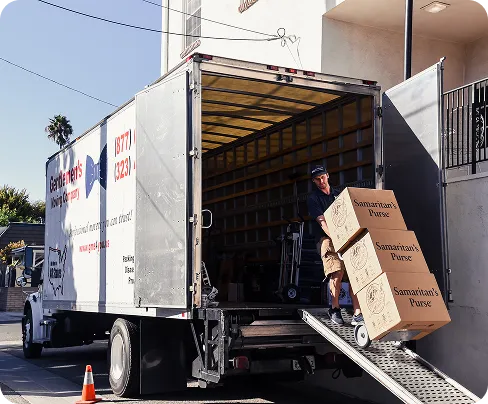
Moving furniture safely requires much more than simply carrying items from one location to another. Large sofas, dining tables, beds, cabinets, wardrobes, appliances, and delicate household pieces can easily suffer scratches, dents, stains, or structural damage when they are not handled correctly. Professional Chicago Movers use organized protection techniques from the moment furniture is prepared for pickup until it reaches its final destination. Their experience, equipment, and careful procedures help reduce the risks associated with transportation while making the entire relocation process more efficient.
Preparing Furniture Before Pickup
Furniture protection begins before an item leaves the home. Professional movers first inspect major pieces to identify existing scratches, weak joints, loose components, glass sections, or other vulnerable areas. This initial assessment helps movers determine the safest method for handling each item.
Where appropriate, removable parts such as table legs, shelves, handles, mirrors, and cushions may be separated. Disassembling suitable furniture makes pieces easier to carry through narrow hallways, staircases, elevators, and doorways. It can also reduce the chance of accidental impacts during transportation.
Movers may also recommend clearing drawers, cabinets, and storage compartments before pickup. Heavy contents can put unnecessary pressure on furniture frames and make individual pieces more difficult to control.
Using Protective Materials for Different Furniture Types
Professional Chicago Movers do not normally rely on one type of protective material for every household item. Different surfaces require different levels of protection. Moving blankets are commonly used around sofas, wooden furniture, appliances, dressers, and other large pieces to help prevent scratches and surface damage.
Plastic stretch wrap can help keep blankets securely positioned and protect upholstered items from dust and moisture during handling. Specialized padding may be used around corners and fragile sections. Glass tabletops, mirrors, and other breakable components require additional care because they can crack or shatter if exposed to pressure or impact.
For valuable wooden furniture, movers pay particular attention to corners, edges, polished surfaces, and decorative features. Proper padding and controlled movement help preserve the finish while the item is being removed from the property.
Protecting Furniture During Home Removal
The route from a room to the moving truck can be one of the most challenging parts of relocation. Furniture may need to pass through tight doorways, staircases, corridors, elevators, and outdoor pathways. Professional movers plan these routes before moving bulky pieces.
Floor and wall protection may also be used when necessary. This can help reduce the possibility of scratches, scuffs, or accidental contact with walls and flooring. Movers communicate with one another while carrying large objects so that everyone can coordinate turns, stops, and changes in direction.
Heavy furniture is generally lifted using appropriate techniques rather than dragged across floors. When specialized moving equipment is suitable, professionals can use it to improve control and reduce unnecessary strain.
Loading the Moving Truck Carefully
Furniture protection continues after items leave the property. How furniture is positioned inside the moving vehicle can have a major effect on its safety. Professional movers organize the load according to the size, weight, shape, and fragility of individual pieces.
Large and sturdy items can provide a stable foundation, while lighter or more delicate belongings are positioned carefully to avoid excessive pressure. Furniture is secured so that it does not shift significantly while the truck is moving.
Movers also consider the available space inside the vehicle. Proper organization reduces empty gaps and helps prevent furniture from leaning, sliding, or colliding with other items during transportation. Heavy objects are distributed thoughtfully to support safer vehicle handling as well.
Protecting Furniture During Transportation
Once the truck leaves the pickup location, furniture may encounter bumps, turns, sudden braking, traffic congestion, and changing road conditions. Professional packing and secure loading help reduce the impact of these movements.
Blankets, padding, wrapping materials, and straps can work together to keep individual pieces protected. Furniture should not simply be placed into the truck without consideration of how it may move during transit.
Experienced movers understand that even a short-distance relocation requires proper protection. A piece of furniture can be damaged by repeated contact with another object even when the overall journey takes only a limited amount of time.
Unloading and Delivery Protection
Furniture protection does not end when the moving truck reaches the destination. The unloading stage requires the same level of care as pickup. Movers remove items in an organized sequence while maintaining awareness of doorways, stairs, walls, floors, and other obstacles.
Protective materials are often kept in place until furniture has been safely positioned inside the new home. Large pieces are moved slowly through narrow areas, and components that were removed during preparation can be reassembled when appropriate.
Professional movers also check furniture after delivery to ensure that items have arrived in the expected condition. This final stage gives homeowners an opportunity to identify any concerns and confirm that their belongings have been properly placed.
Handling Specialty and Valuable Furniture
Certain furniture requires more specialized handling. Antique cabinets, oversized wardrobes, glass tables, leather sofas, designer pieces, and fragile decorative furniture may need additional planning.
Professional movers evaluate these items individually rather than treating them like ordinary household belongings. Extra padding, specialized wrapping, careful lifting, and controlled positioning can provide an additional layer of protection.
Homeowners can also help by informing movers about particularly valuable or fragile pieces before moving day. Early communication gives the moving team more time to prepare the appropriate materials and equipment.
Why Professional Moving Experience Matters
Furniture can be heavy, awkward, fragile, and difficult to maneuver. Without proper techniques, homeowners may accidentally damage their belongings or property while attempting to move everything themselves. Professional Chicago Movers have experience with different furniture designs, building layouts, and transportation challenges.
Their structured approach helps turn furniture protection into a process rather than an afterthought. From inspection and preparation to wrapping, loading, transportation, unloading, and placement, each stage contributes to the overall safety of household belongings.
For homeowners researching professional moving assistance, https://affordablecitymovers.com/ can serve as a useful starting point for learning more about moving services and planning a relocation.
Creating a Safer Moving Experience
Successful furniture transportation depends on preparation, communication, proper equipment, and careful handling. Professional movers understand that protecting furniture is not limited to wrapping an item in a blanket. It involves evaluating the furniture, planning the removal route, selecting appropriate protective materials, loading the truck correctly, securing the shipment, and maintaining careful handling through delivery.
With these procedures in place, homeowners can reduce many of the common risks associated with moving large household items. Professional Chicago Movers bring an organized approach to every stage of the relocation, helping furniture arrive at its destination ready for use in the new home.