
 Jackson
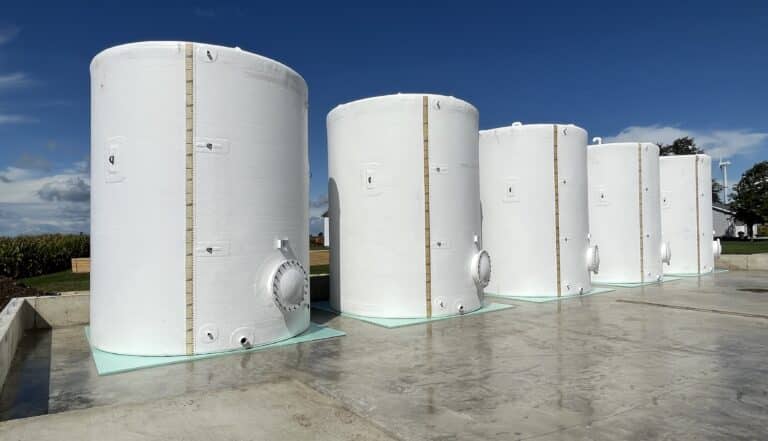
In the modern industrial and municipal landscape, the efficient management of vital resources such as water, chemicals, wastewater, and agricultural inputs is more critical than ever. As organizations face increasing pressure to optimize operations, reduce waste, and minimize environmental footprints, the choice of storage infrastructure plays a foundational role. Among the various solutions available today, fiberglass tank systems—often referred to as Fiberglass Reinforced Plastic (FRP) tanks—have emerged as a premier choice for sustainable and efficient resource management. By combining structural strength with exceptional chemical resistance, these advanced systems enable industries to safeguard valuable resources while lowering operational costs over the long term.
The Evolution of Industrial Storage Materials
For decades, storage tanks were predominantly constructed from traditional materials like carbon steel, concrete, and wood. While these materials served their purpose during earlier industrial eras, they come with significant inherent limitations. Carbon steel tanks, for instance, are highly susceptible to corrosion when exposed to aggressive chemicals, moisture, or certain types of wastewater. This corrosion not only compromises the structural integrity of the tank but also leads to contamination of the stored contents, posing serious environmental and economic risks. Concrete tanks, while durable, are prone to cracking, porous absorption, and chemical degradation over time.
The introduction of fiberglass reinforced plastic revolutionized the storage sector. By embedding high-strength glass fibers within a polymer matrix, manufacturers created a composite material that offers the best of both worlds: the tensile strength of metal and the inert, corrosion-proof qualities of advanced polymers. This evolution has allowed industries to store a vast array of aggressive substances without the constant threat of material degradation, setting a new benchmark for resource preservation.
Core Advantages of Fiberglass Tank Systems in Resource Optimization
The efficiency of any resource management strategy hinges on the reliability, safety, and longevity of its storage assets. Fiberglass tank systems deliver on these fronts through several distinct physical and chemical properties.
Corrosion Resistance and Material Longevity
One of the primary reasons fiberglass tanks excel in resource management is their natural resistance to corrosion. Unlike steel, fiberglass does not rust, nor does it require continuous protective coatings, cathodic protection, or chemical inhibitors to maintain its integrity. Whether storing highly corrosive industrial acids, wastewater laden with harsh cleaning agents, or potable water treated with chlorine, FRP tanks remain chemically inert. This resistance prevents leaks, spills, and material degradation, ensuring that stored resources are kept secure and pure over decades of continuous use.
Lightweight Design and Installation Efficiency
Resource management is not just about what happens after a system is installed; it also encompasses the efficiency of deployment. Fiberglass tanks are remarkably lightweight compared to their concrete or heavy steel counterparts. This low weight drastically reduces the logistical complexities and heavy machinery required for transportation and installation. Facilities can be set up or expanded more quickly, minimizing operational downtime and reducing the carbon footprint associated with heavy transport equipment. This agility is particularly advantageous in remote or environmentally sensitive locations where heavy construction equipment causes ecological disruption.
Thermal Insulation and Fluid Integrity
Maintaining the correct temperature and chemical stability of stored resources is crucial for preventing spoilage or unwanted reactions. Fiberglass materials naturally possess low thermal conductivity, meaning they act as effective insulators compared to metal tanks. This property helps stabilize the internal temperature of the stored fluid, reducing the need for external insulation or temperature control systems. Consequently, energy consumption is lowered, contributing to a more energy-efficient and sustainable operational cycle.
Supporting Sustainable Water and Chemical Management
Water scarcity and stringent environmental regulations demand smarter approaches to water conservation and chemical handling. Fiberglass tanks play a pivotal role in these areas by providing zero-leakage containment solutions.
In municipal water treatment plants, FRP tanks are widely used for storing water treatment chemicals such as sodium hypochlorite, ferric chloride, and polymers. Because these chemicals are notoriously aggressive, traditional tanks would quickly fail, leading to hazardous leaks and resource loss. Fiberglass tanks contain these substances safely, ensuring uninterrupted treatment processes and protecting surrounding ecosystems from contamination. Furthermore, in rainwater harvesting and greywater recycling systems, fiberglass tanks provide a hygienic, maintenance-free storage medium that preserves water quality for agricultural, industrial, or secondary municipal uses.
For industries looking to upgrade their infrastructure, sourcing reliable storage solutions is a critical step. Partnering with a trusted Pabrik Tangki Fiber Berkualitas di Indonesia ensures that organizations receive tanks engineered to international quality standards, offering robust performance tailored to specific regional and industrial requirements. High-quality manufacturing guarantees that every laminate layer, resin formulation, and structural reinforcement is optimized for maximum durability and safety.
Maintenance and Lifecycle Cost-Efficiency
Efficiency is fundamentally tied to economics. The total cost of ownership for a storage system includes initial acquisition, installation, maintenance, repair, and eventual decommissioning. While traditional steel tanks may appear cost-effective initially, their ongoing maintenance requirements—such as sandblasting, repainting, and frequent weld inspections—accumulate substantial expenses over time.
Fiberglass tank systems offer a dramatically lower lifecycle cost. Because they do not corrode, the need for routine maintenance is minimal, typically restricted to periodic visual inspections and cleaning. This reduction in maintenance translates directly into lower labor costs, reduced risk of accidental spills, and fewer operational interruptions. Over a lifespan that can easily exceed several decades, FRP tanks prove to be a financially sound investment that maximizes resource efficiency and minimizes waste.
Conclusion
Efficient resource management requires robust, reliable, and intelligent infrastructure. As industries and municipalities strive to meet modern sustainability goals, the role of advanced storage systems cannot be overstated. Fiberglass tank systems offer a comprehensive solution to the challenges of corrosion, installation complexity, and lifecycle costs. By protecting stored resources from contamination, minimizing environmental risks, and delivering exceptional longevity, FRP tanks empower organizations to manage their water, chemical, and industrial assets with unprecedented confidence and efficiency.
