Jackson
A backyard shed is a valuable asset for any property, offering essential storage for tools, lawnmowers, seasonal gear, and outdoor equipment. However, because sheds are often detached from the main home and sometimes built with lighter materials, their roofs are particularly vulnerable to environmental wear and tear. Over time, constant exposure to the elements can compromise the integrity of the structure, eventually necessitating a shed roof replacement. Understanding what causes damage to a shed roof and recognizing the critical warning signs can save property owners from extensive interior damage, costly structural repairs, and premature total failure of the building.
Common Causes of Shed Roof Damage
Shed roofs endure a continuous assault from nature. From blistering summer heat to freezing winter snow, various environmental and human factors contribute to the gradual degradation of roofing materials.
Weather and Storm Elements
Severe weather is one of the primary culprits behind compromised roofing. High winds can lift edges of shingles, tear away metal panels, or blow branches onto the roof surface, causing punctures and structural dents. Hailstorms can bruise asphalt shingles, stripping away protective granules and accelerating the aging process. Furthermore, heavy snowfall accumulation places immense weight on a shed roof, which often lacks the heavy-duty truss systems found in residential homes, potentially leading to sagging or partial collapse.
Moisture and Water Accumulation
Water is the ultimate enemy of any roof. When moisture cannot drain properly, it pools on flat or low-slope shed roofs. Standing water slowly degrades the roofing membrane, seeps into tiny cracks, and rots the underlying wooden decking. Clogged gutters, inadequate roof pitch, or the absence of proper flashing around seams and penetrations all exacerbate moisture retention, creating a breeding ground for leaks.
Aging Materials and Normal Wear
Every roofing material has a finite lifespan. Asphalt shingles typically last 15 to 25 years, while rolled roofing, felt, and lower-quality corrugated panels may wear out much sooner. As materials age, they become brittle, lose their flexibility, and fail to expand and contract with temperature fluctuations. UV radiation from the sun bakes the roof day after day, breaking down the chemical bonds in sealants and coatings until the protective layer fails entirely.
Poor Initial Installation and Maintenance Neglect
Sometimes, the seeds of roof failure are planted during construction. If a shed roof was installed with improper nail placement, inadequate overhangs, or substandard underlayment, it will succumb to damage much faster than a professionally built structure. Additionally, neglecting routine maintenance—such as clearing away heavy leaf accumulation, removing moss and algae, and reapplying sealants—hastens deterioration and turns minor flaws into major structural issues.
Signs That Your Shed Roof Needs Attention
Catching roof damage early can mean the difference between a simple patch job and a complete shed roof replacement. Property owners should perform regular visual inspections, especially after major storms or seasonal transitions.
Water Leaks and Interior Moisture
The most obvious sign of a failing roof is the presence of water inside the shed. If you notice puddles on the floor, dampness along the walls, or water stains on the ceiling rafters during or after rain, the roof has been compromised. Musty odors and condensation buildup also indicate that moisture is infiltrating the structure, which can ruin stored items and foster mold growth.
Sagging Roof Decking
A healthy roof maintains a straight, uniform profile. If you observe dips, valleys, or an overall downward sag in the roofline, it indicates that the underlying plywood or OSB decking has weakened due to prolonged moisture exposure. Sagging is a serious structural red flag that usually requires immediate intervention, as it points to advanced wood rot and potential failure of the support framing.
Missing, Cracked, or Curling Shingles
Walking around the exterior of your shed and looking up at the roof can reveal surface-level distress. Missing shingles leave the underlayment completely exposed to rain and sun. Cracked, curling, or buckling shingles show that the material has dried out and lost its weather-resistant properties. If you notice a heavy accumulation of granules in the surrounding soil or runoff area, your shingles are nearing the end of their useful life.
Mold, Mildew, and Rot
Biological growth is a clear indicator of chronic moisture problems. Thick patches of moss, algae streaks, and black mold on the roof surface not only look unsightly but also retain moisture against the roofing material, accelerating decay. On the underside of the roof, check for soft, spongy wood, white fungal threads, or a distinct mildew smell, all of which confirm that water is penetrating the barrier.
Repair Versus Shed Roof Replacement: Making the Right Choice
When damage is identified, property owners face the classic dilemma: should I repair the existing roof or invest in a full shed roof replacement? The answer depends on the extent of the damage, the age of the structure, and overall cost-effectiveness.
If the damage is isolated to a small area—such as a localized leak around a vent pipe or a few shingles torn off by a single gust of wind—a targeted repair is usually sufficient. Patching the area, replacing damaged flashing, or swapping out a handful of shingles can buy you a few more years of protection.
However, if the roof is approaching or has exceeded its expected lifespan, if more than thirty percent of the surface area is damaged, or if there is widespread structural rot in the decking, a partial fix is merely throwing good money after bad. In these scenarios, a total shed roof replacement is the smartest long-term investment. Replacing the entire roof ensures that hidden vulnerabilities are addressed, structural integrity is restored, and future maintenance costs are minimized.
The Shed Roof Replacement Process: What to Expect
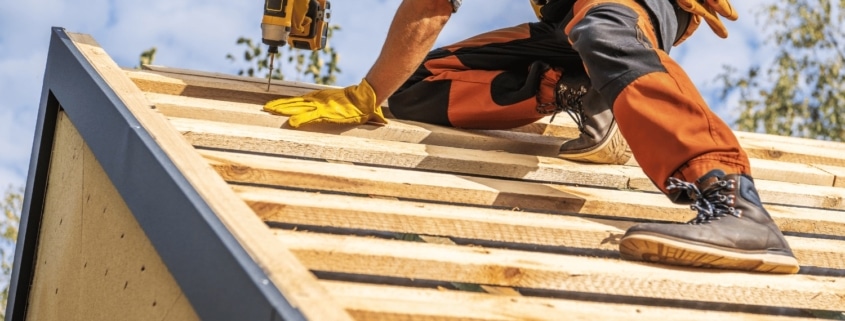
Undertaking a shed roof replacement requires careful planning, proper safety gear, and the right materials. Whether you hire a professional contractor or tackle the project as a weekend DIY enthusiast, the process generally follows a standardized sequence.
The first step is stripping away the old roofing materials down to the bare wooden decking. This teardown phase allows for a thorough inspection of the rafters and plywood. Any rotted, soft, or damaged wood must be cut out and replaced with sound lumber to provide a solid foundation for the new roof.
Next, a weather-resistant underlayment or ice and water shield is installed across the deck, followed by the chosen finish material. For sheds, common options include architectural asphalt shingles, corrugated metal panels, EPDM rubber membranes for flat roofs, or robust polycarbonate sheets. Proper installation of drip edges, flashing, and ridge caps is crucial to ensure watertight performance. Finally, debris is cleared away, and the newly revitalized shed is ready to protect its contents for years to come.
Conclusion
A sturdy roof is the first and most critical line of defense for any backyard shed. By understanding the primary causes of roof damage—ranging from harsh weather and trapped moisture to natural aging and neglect—property owners can take proactive steps to protect their investment. Regular inspections help catch minor issues before they escalate, but when the damage becomes extensive, recognizing the signs that indicate a failing structure is vital. Ultimately, knowing when to transition from minor patches to a comprehensive shed roof replacement ensures that your outdoor storage space remains dry, secure, and functional for decades.