Jackson
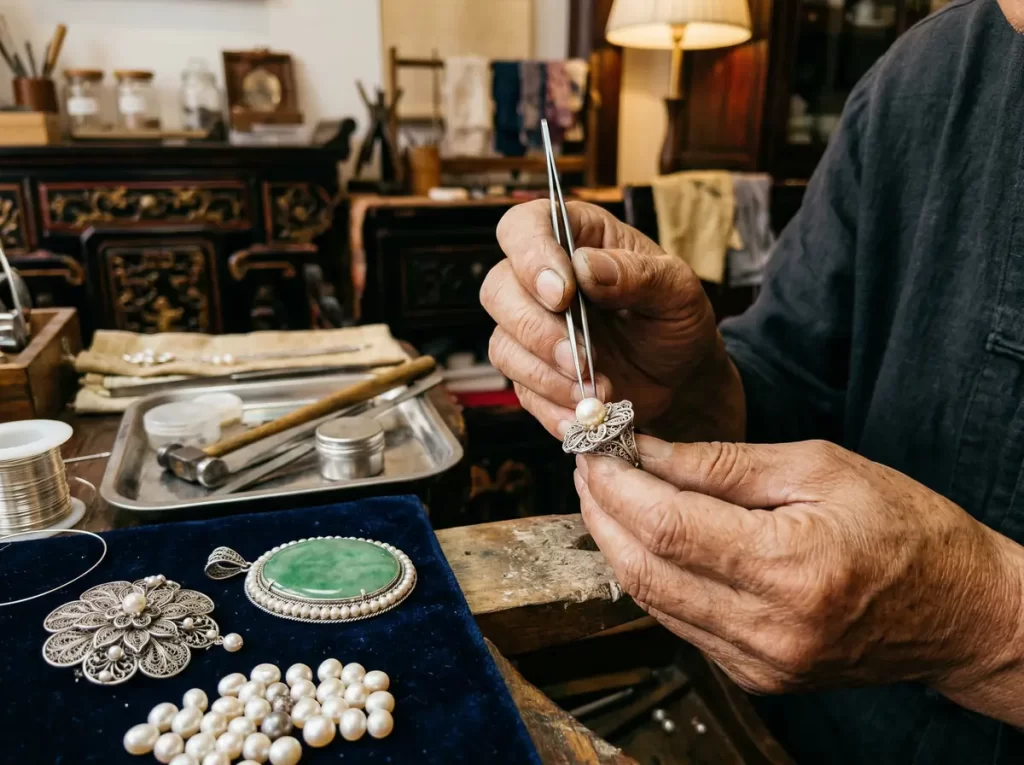
Launching or scaling a jewelry brand is an exhilarating journey. It starts with a spark of creativity—a sketch on paper, a 3D rendering, or a mood board filled with textures, gemstones, and intricate patterns. However, turning those design concepts into physical, market-ready pieces requires more than just artistic vision. It demands a reliable production partner who can translate your aesthetic standard into finished goods with precision, quality, and speed.
Navigating the transition from concept to final product is often the most critical phase for any jewelry business. Choosing the right production facility shapes your product quality, brand reputation, profit margins, and scalability. Partnering with a dedicated facility like an Endlessjewe jewelry manufacturer allows emerging and established brands to streamline this transition, ensuring that every piece moving from design to delivery meets the highest standards of craftsmanship.
Understanding the Journey: From Concept to Production
The lifecycle of a jewelry piece involves several distinct technical stages. Understanding this process helps brand owners communicate effectively with their production partners and evaluate potential facilities.
1. Conceptualization and CAD Design
Every piece begins as an idea. Today, most modern production begins with Computer-Aided Design (CAD) software. CAD models allow designers and manufacturers to view the piece in three dimensions, adjust proportions, calculate metal weight, and plan gem placement with sub-millimeter precision. A quality production partner will review your initial designs or CAD files to ensure structural integrity and manufacturability before moving forward.
2. Prototyping and Master Models
Once the digital model is finalized, a physical prototype is created. High-resolution 3D printing is typically used to produce a wax or resin pattern. This pattern is then cast in metal to create a master model. The master model serves as the benchmark for mass production, ensuring that every subsequent piece retains identical dimensions and fine detail.
3. Molding and Casting
Using the master model, high-durability rubber or silicone molds are created. Liquid wax is injected into these molds to produce multiple wax replicas. These replicas are assembled onto a “tree” and surrounded by investment material in a flask. Through the lost-wax casting process, the wax is burned away and molten metal—such as silver, gold, or brass—is poured into the cavity, forming the raw metal castings.
4. Setting, Polishing, and Finishing
After casting, skilled artisans cut individual pieces from the tree, clean up rough edges, and prepare settings. Gemstones are handset under magnification to ensure security and alignment. Finally, the pieces undergo multi-stage polishing, surface texturing, or electroplating (such as gold or rhodium plating) to achieve their final finish.
Key Criteria for Selecting the Right Jewelry Manufacturer
Selecting a manufacturing partner is one of the most consequential decisions you will make for your business. Here are the core factors to evaluate during your search.
Technical Expertise and Capability
Not all manufacturing facilities specialize in the same materials or techniques. Some excel in high-fine gold and diamond jewelry, while others specialize in sterling silver, fashion jewelry, or intricate enamel work. Ensure your chosen partner, such as an Endlessjewe jewelry manufacturer, has proven experience with the specific metals, stones, and finishing techniques your brand requires.
Quality Assurance and Control Standards
Consistency is critical in fine and fashion jewelry. A single misaligned setting or inconsistent plating layer can lead to customer returns and damage your brand reputation. Inquire about the manufacturer’s internal quality control (QC) procedures:
- Do they conduct multi-point inspections throughout production?
- How do they test metal purity and plating thickness?
- What is their defect rate, and how do they handle remakes or corrections?
Minimum Order Quantities (MOQs) and Scalability
For growing businesses, balance is essential. High minimum order quantities can lock up capital in excess inventory, while very low MOQs might result in higher unit costs. Look for a partner that offers flexible initial MOQs to let you test new designs, alongside the infrastructure and capacity to scale up production rapidly as demand grows.
Ethical Sourcing and Sustainability
Modern consumers increasingly demand transparency regarding where and how products are made. Partner with facilities that adhere to ethical labor standards, provide safe working environments, and use responsibly sourced materials, such as recycled metals or conflict-free gemstones.
Streamlining Communication and Safeguarding Your Designs
A successful manufacturing partnership relies heavily on clear communication, clear documentation, and mutual trust.
Protecting Your Intellectual Property (IP)
Before sharing proprietary CAD files, technical drawings, or original concepts, protect your assets. Request a signed Non-Disclosure Agreement (NDA) from prospective manufacturers. Reputable partners understand the importance of design security and will readily respect confidentiality agreements.
Detailed Tech Packs and Specifications
Ambiguity is the enemy of quality control. Create detailed technical specification sheets (tech packs) for every design. Your tech pack should specify:
- Exact metal alloys and purity standards
- Gemstone specifications (cut, color, clarity, dimensions, and setting style)
- Plating thickness and underlying layers
- Weight tolerances and overall dimensions
- Packaging and labeling requirements
Providing explicit instructions minimizes misinterpretation, reduces sampling revisions, and keeps production schedules on track.
Overcoming Common Manufacturing Challenges
Working with production facilities inherently carries operational challenges. Being proactive helps keep your business running smoothly.
Managing Lead Times and Seasonality
Production schedules fluctuate throughout the year, especially leading up to peak retail seasons like Q4 holidays, Valentine’s Day, and Mother’s Day. Establish clear lead-time expectations for both sampling and full-scale production. Build buffer times into your supply chain schedule to account for potential delays in raw material sourcing, shipping, or customs clearance.
Maintaining Cost Efficiency Without Sacrificing Quality
While unit cost is critical for healthy margins, choosing the lowest bidder can be a risky strategy if it compromised material quality or craftsmanship. Instead, work collaboratively with your Endlessjewe jewelry manufacturer to optimize designs for cost efficiency—such as adjusting metal thickness in non-structural areas or standardizing stone sizes—without lowering the visual appeal or durability of the final piece.
Conclusion: Building a Lasting Production Partnership
Finding the right jewelry manufacturing partner transforms your business from a creative vision into a scalable enterprise. By understanding the end-to-end production process, setting clear specifications, prioritizing quality control, and choosing a reliable facility like an Endlessjewe jewelry manufacturer, you establish a foundation for consistent product excellence.
As your brand expands, a strong manufacturing relationship transitions from a transactional arrangement into a strategic alliance—ensuring that every collection you design makes its way to your customers with flawless precision and lasting craftsmanship.