Jackson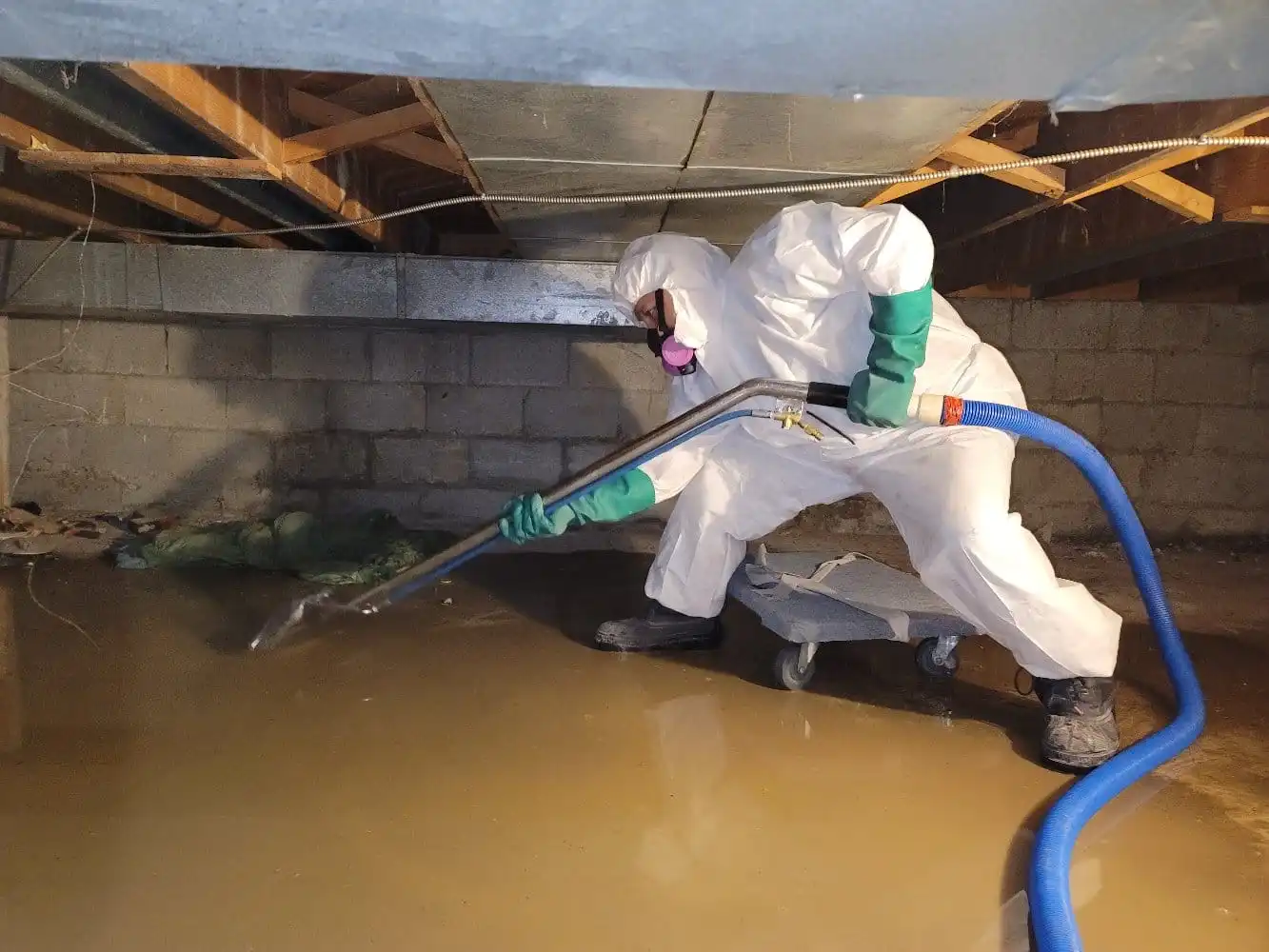
Discovering floodwaters inside your property is a stressful and overwhelming experience. Whether caused by torrential rains, a burst pipe, severe storms, or overflowing rivers, water can inflict significant structural damage within hours. Beyond visible ruin, standing water creates serious health hazards, promoting mold growth and introducing harmful bacteria into your living or working environment.
Acting quickly and systematically is crucial to minimizing damage and saving your property. Knowing the right steps to take immediately after water intrusion—and when to bring in professional flood clean up services—can make the difference between a quick recovery and months of costly repairs. Here is a comprehensive guide on what to do step-by-step when facing water damage.
1. Prioritize Safety Above All Else
Before stepping foot back into a flooded building, safety must be your top priority. Water conducts electricity and can harbor dangerous contaminants, making flooded areas inherently hazardous.
Electrical and Structural Inspection
- Turn off power: If you can safely access your main electrical panel without standing in water, switch off the power immediately. If the breaker box is near or submerged in water, do not attempt to touch it. Contact your utility provider or a certified electrician.
- Check structural integrity: Look out for sagging ceilings, cracked walls, unstable flooring, or damaged foundations before entering. If the structure appears compromised, stay outside until a professional evaluates the building.
- Shut off the main gas line: If you smell gas or suspect a leak, evacuate immediately and notify your gas company.
Wear Protective Gear
Never wade through floodwater without proper gear. Wear heavy-duty rubber boots, heavy gloves, safety goggles, and an N95 respirator mask. Floodwaters often carry sewage, toxic chemicals, sharp debris, and harmful pathogens that pose direct health risks upon contact or inhalation.
2. Document the Damage for Insurance
Before you begin clearing out water or disposing of ruined items, document everything thoroughly. Proper documentation is essential for smooth insurance claim processing.
Take Photos and Videos
Capture detailed photos and videos of every affected room. Take close-ups of damaged furniture, electronics, flooring, drywalls, and personal items, as well as wide shots showing the full depth of the water level against walls.
Create an Inventory List
Compile a list of damaged or lost items, noting their estimated age, value, and brand where possible. Keep receipts for emergency supplies or temporary housing expenses, as these may be reimbursable under your insurance policy. Contact your insurance agent immediately to report the loss and request an adjuster’s visit.
3. Contact Professional Flood Clean Up Services
While initial safety measures and documentation can be handled by property owners, full-scale restoration requires specialized skills and industrial equipment. Contacting reliable flood clean up services early ensures that mitigation starts as quickly as possible.
Why Professional Expertise Matters
Water migrates rapidly into porous materials like drywall, wooden subfloors, insulation, and carpeting. Standard household mops, shop vacs, and fans are simply not powerful enough to extract deep-seated moisture. Professional flood clean up services bring advanced tools, including:
- Industrial water extractors and pumps: Capable of removing hundreds of gallons of water per minute.
- Commercial-grade dehumidifiers and air movers: Designed to pull hidden moisture from deep within structural framing and walls.
- Thermal imaging cameras: Used to locate hidden pockets of water behind walls and under floors that are invisible to the naked eye.
Engaging flood clean up services right away prevents secondary damage, such as warped wood, compromised structural supports, and widespread mold contamination.
4. Begin Initial Water Removal and Ventilation
If it is safe to do so while waiting for professional flood clean up services to arrive, you can begin preliminary measures to slow down the spread of moisture.
Remove Standing Water Safely
If standing water is minimal, use a wet/dry vacuum or buckets to remove as much liquid as possible. However, if the flooding is deep or involves black water (sewage contamination), leave the extraction entirely to certified specialists equipped with hazardous material handling gear.
Increase Air Circulation
If electrical power is safe to use—and power outlets are well above the water line—open windows and doors to allow fresh air to circulate. Set up portable fans to encourage air movement across wet surfaces. However, avoid using central heating or air conditioning systems if you suspect water has entered the ductwork, as this can spread mold spores throughout the entire building.
5. Salvage and Sort Belongings
Fast action can save valuable personal possessions, furniture, and family heirlooms from permanent ruin.
Move Items to Dry Areas
Relocate dry or slightly damp items to an unaffected room, garage, or outdoor patio. Elevate furniture legs off damp carpets using aluminum foil or plastic blocks to prevent wood stains from leaching into flooring and vice versa.
Classify Porous vs. Non-Porous Items
- Porous materials: Items like mattresses, upholstered couches, padded carpets, and insulation absorb contaminated water easily. If exposed to category 2 or category 3 water (gray or black water), these items typically must be safely discarded.
- Non-porous materials: Hardwood furniture, glass, metal, and hard plastics can often be sanitized, cleaned, and restored effectively.
6. Prevent Mold and Bacteria Outbreaks
Mold can begin growing on damp surfaces in as little as 24 to 48 hours following water exposure. Preventing microbial growth is one of the most critical stages of post-flood recovery.
Thorough Disinfection
Once water is extracted, all affected surfaces must be cleaned with EPA-registered antimicrobial disinfectants. Professional flood clean up services utilize specialized sanitization agents that destroy bacteria, viruses, and mold spores without damaging structural materials.
Complete Moisture Control
Even if a wall feels dry to the touch, the framing inside may still hold moisture. Certified technicians use moisture meters to confirm that relative humidity levels have returned to safe thresholds before starting any reconstruction or painting.
Rebuilding and Restoring Your Property
Recovering from a flood is a multi-step journey that transitions from emergency response to structural restoration. Taking immediate, deliberate actions—prioritizing safety, documenting the scene, initiating water removal, and partnering with experienced flood clean up services—guarantees that your property is thoroughly dried, disinfected, and safely restored to its original condition.
When floodwaters invade your home or business, every minute counts. Fast, decisive action safeguards your health, protects your financial investment, and brings peace of mind during a difficult time.