Jackson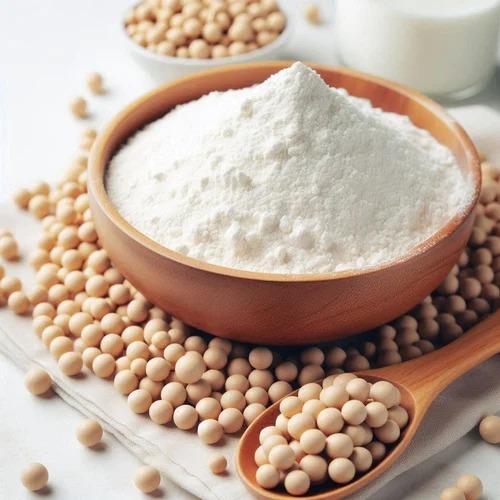
Maintaining healthy brain function is an important part of supporting productivity, memory, concentration, and overall well-being. As interest in nutrition and cognitive health continues to grow, researchers and consumers are paying closer attention to nutrients and compounds that may support normal brain activity. One ingredient that has attracted particular attention is phosphatidylserine powder, a powdered form of phosphatidylserine, a naturally occurring phospholipid found in cell membranes. It is especially concentrated in tissues with high metabolic activity, including the brain.
Phosphatidylserine has been studied for its potential relationship with memory, attention, stress response, and cognitive performance. While research is still developing and supplements should not be viewed as treatments for medical conditions, understanding how this compound works can help explain why it is included in some nutritional formulations designed for cognitive support.
What Is Phosphatidylserine?
Phosphatidylserine is a type of phospholipid that forms part of the structure of cell membranes. Cell membranes provide an essential barrier around cells and help regulate communication between the inside and outside of cells. In the nervous system, healthy cell membranes are particularly important because neurons must communicate efficiently with one another.
The brain depends on complex interactions between neurons, signaling molecules, blood flow, and cellular structures. Because phosphatidylserine is naturally present in brain cell membranes, scientists have investigated whether maintaining adequate levels could contribute to normal cognitive function.
Phosphatidylserine can be obtained in small amounts from foods, although dietary intake may vary. Supplement manufacturers may produce phosphatidylserine from plant-based sources, making it available as capsules, powders, and other formulations.
How Phosphatidylserine May Support Brain Function
The potential cognitive role of phosphatidylserine is connected largely to its structural and biological functions. Brain cells need flexible and functional membranes to communicate effectively. Phospholipids contribute to membrane structure, while also participating in various cellular signaling processes.
Research has examined phosphatidylserine in relation to memory and cognition, particularly among older adults experiencing age-related changes in cognitive performance. Some studies have reported potential benefits, while others have found more limited or inconsistent effects. This means phosphatidylserine should be considered a nutritional ingredient with potential cognitive-support properties rather than a guaranteed way to improve memory or intelligence.
The broader importance of brain nutrition should also be considered. Adequate sleep, physical activity, a balanced diet, stress management, and regular mental stimulation all play major roles in maintaining cognitive health.
Phosphatidylserine Powder and Focus
Focus requires more than simply being awake. Concentration involves attention control, working memory, mental processing, and the ability to ignore distractions. Because phosphatidylserine is involved in neuronal membrane structure and cellular communication, researchers have explored whether supplementation could influence aspects of attention and mental performance.
For people interested in phosphatidylserine powder, the appeal often comes from its potential role in supporting sustained cognitive function. However, individual responses can vary considerably. A supplement that seems useful for one person may produce little noticeable difference for another.
It is also important to distinguish nutritional support from stimulant effects. Phosphatidylserine is not generally regarded as a traditional stimulant like caffeine. Therefore, expectations should be realistic. Its potential value is better understood in terms of supporting normal physiological processes rather than producing an immediate surge of energy or alertness.
Potential Relationship With Stress
Stress can affect concentration, memory, sleep, and mental performance. Researchers have therefore examined phosphatidylserine in connection with the body’s response to stress.
Some research has investigated its potential influence on cortisol, a hormone involved in the body’s stress response. Findings have varied depending on the population, formulation, and study design, so more research is needed before firm conclusions can be made.
Nevertheless, the connection between stress and cognitive performance helps explain why phosphatidylserine remains an area of interest. Supporting healthy stress management through adequate sleep, exercise, relaxation, and balanced nutrition remains essential regardless of whether someone uses a supplement.
Why Powdered Forms Are Used
Phosphatidylserine powder offers a flexible format for supplement manufacturers and consumers. Powders can be incorporated into nutritional blends, functional foods, beverages, or other formulations. Depending on the product, the powder may also be combined with other ingredients intended to support cognitive or nutritional goals.
The quality of a powdered supplement depends on factors such as its source, processing methods, purity, storage conditions, and manufacturing standards. Consumers should examine product labels carefully and select products from reputable manufacturers that provide clear ingredient information.
Because supplement quality can differ substantially, choosing a product based solely on marketing claims may not be the best approach. Transparent labeling and appropriate quality-control practices are important considerations.
What Does Research Say About Cognitive Benefits?
Scientific interest in phosphatidylserine has produced studies involving memory, cognitive decline, attention, exercise-related stress, and other areas. Some research suggests that supplementation may offer modest cognitive benefits in certain populations, while other research has produced less convincing results.
One reason findings can differ is that studies may involve different populations and dosages, use different sources of phosphatidylserine, or measure different aspects of cognition. Memory, attention, executive function, and subjective mental performance are not identical outcomes.
Consequently, it is more accurate to describe phosphatidylserine as a compound being investigated for potential cognitive benefits rather than as a proven solution for improving brain performance.
Safety and Responsible Use
People considering phosphatidylserine powder should treat it like any other dietary supplement. More is not necessarily better, and supplement use should not replace a nutritious diet or healthy lifestyle.
Individuals who take prescription medications, have ongoing medical concerns, are pregnant or breastfeeding, or are considering supplementation for a child should consult an appropriate healthcare professional before using it. A qualified professional can help evaluate whether supplementation is appropriate and whether there could be interactions with medications or other supplements.
It is also wise to follow the manufacturer’s directions rather than creating an unusually high intake based on assumptions about cognitive benefits.
Building a Strong Foundation for Brain Health
Although supplements can attract attention, the fundamentals of brain health remain highly important. Regular physical activity supports cardiovascular health and circulation. Quality sleep helps the brain perform essential restorative and memory-related processes. A varied diet provides nutrients needed for normal cellular function.
Mental stimulation is also valuable. Reading, learning new skills, solving problems, social interaction, and creative activities can provide opportunities for continued cognitive engagement.
Within this broader lifestyle approach, phosphatidylserine powder may be considered one nutritional option for people interested in supporting normal brain function. Its potential should be viewed as complementary rather than transformative.
The Future of Phosphatidylserine Research
Interest in cognitive nutrition is likely to continue as researchers investigate how specific nutrients influence brain structure and function. Future studies may help clarify which populations are most likely to benefit from phosphatidylserine, what formulations are most effective, and how supplementation interacts with diet, aging, exercise, and stress.
More high-quality research could also help distinguish between short-term effects and longer-term outcomes. This information would make it easier for consumers and healthcare professionals to make evidence-based decisions.
Conclusion
Phosphatidylserine powder is an increasingly recognized nutritional ingredient because phosphatidylserine plays an important structural role in cell membranes, including those of brain cells. Research has explored its possible connections with memory, focus, cognitive performance, and stress response, although results are not uniformly conclusive.
For anyone interested in cognitive wellness, phosphatidylserine is best considered as part of a broader approach that includes balanced nutrition, regular exercise, sufficient sleep, stress management, and mental activity. Understanding both the potential benefits and the limitations of current evidence allows consumers to approach phosphatidylserine powder with realistic expectations and make more informed decisions about their nutritional choices.