admin
admin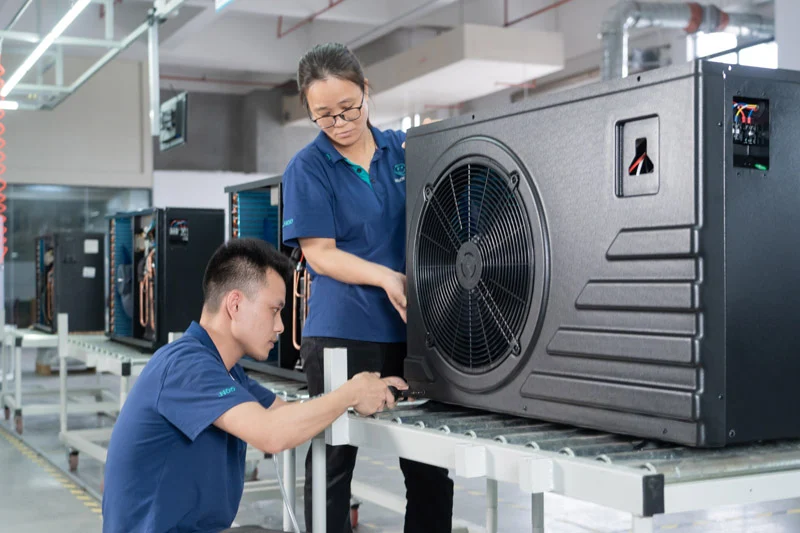
Choosing the right heating and cooling system is one of the most important decisions for homeowners who want year-round comfort and energy efficiency. Modern heat pump systems are becoming increasingly popular because they provide both heating and cooling while reducing electricity consumption compared to traditional HVAC systems. However, finding reliable heat pumps suppliers and trustworthy heat pump companies can be challenging when there are so many options available in the market.
Understanding the differences between heat pumps suppliers and manufacturers helps homeowners make informed decisions that support long-term comfort, lower maintenance costs, and improved energy savings. A carefully selected supplier and company can ensure proper installation, durable equipment, and dependable after-sales support for many years.
Understanding the Role of Heat Pumps Suppliers
Heat pumps suppliers play a major role in distributing and providing heating and cooling systems to homeowners, contractors, and businesses. These suppliers often work directly with manufacturers and offer various brands, models, and system sizes to suit different residential needs.
Reliable heat pumps suppliers help customers compare energy ratings, performance levels, and installation requirements. They also guide buyers in selecting systems based on climate conditions, house size, and household energy demands.
One of the key advantages of working with experienced heat pumps suppliers is access to multiple product options. Instead of being limited to a single brand, homeowners can evaluate different technologies and price ranges before making a final choice.
Good suppliers also provide technical guidance and warranty support. Since heat pump systems are long-term investments, proper support from suppliers can significantly improve the ownership experience.
What Heat Pump Companies Offer Homeowners
Heat pump companies are generally responsible for manufacturing, engineering, or installing heat pump systems. Some companies focus only on production, while others provide complete services including consultation, installation, and maintenance.
Professional heat pump companies invest heavily in research and development to improve efficiency, reduce operating noise, and create environmentally friendly systems. Many modern systems now include smart controls, inverter technology, and advanced energy management features.
Choosing established heat pump companies offers several benefits, including:
Better Product Reliability
Reputable companies usually have strict quality control standards. Their systems are tested for durability, energy efficiency, and long-term operation under different climate conditions.
Advanced Technology
Leading manufacturers continue to improve performance through innovations such as variable-speed compressors and smart thermostats. These technologies increase indoor comfort while lowering electricity costs.
Strong Warranty Coverage
Reliable heat pump companies often provide extended warranties for compressors, parts, and system components. This added protection gives homeowners peace of mind.
Professional Installation Services
Some companies provide certified installation teams that ensure systems operate at maximum efficiency. Proper installation is essential for achieving long-term home comfort.
Comparing Product Quality Between Suppliers and Companies
When comparing heat pumps suppliers and heat pump companies, product quality should be one of the highest priorities. Not all systems perform equally, and lower-priced models may lead to higher maintenance costs in the future.
Homeowners should evaluate several important factors:
Energy Efficiency Ratings
High-efficiency heat pumps reduce electricity usage and lower utility bills. Look for systems with strong SEER and HSPF ratings to maximize savings.
Durability and Build Quality
Systems designed with corrosion-resistant materials and advanced compressors tend to last longer and perform better in different weather conditions.
Noise Levels
Modern heat pump systems are much quieter than older units. Comparing noise ratings can improve indoor and outdoor comfort.
Smart Features
Many advanced heat pumps include Wi-Fi controls, programmable thermostats, and energy monitoring systems. These features improve convenience and system management.
Experienced heat pumps suppliers can help explain these specifications clearly so homeowners can compare products effectively.
Importance of Installation and Technical Expertise
Even the best heat pump system can underperform if installation is handled incorrectly. This is why homeowners should compare not only the products but also the technical expertise offered by heat pump companies and heat pumps suppliers.
Proper installation ensures:
- Efficient airflow
- Correct refrigerant levels
- Balanced indoor temperatures
- Lower energy consumption
- Longer equipment lifespan
Qualified technicians also understand how to size systems correctly for homes. Oversized or undersized systems can lead to uneven heating, increased wear, and higher operating costs.
Many reliable heat pumps suppliers work closely with certified installers to ensure customers receive complete service support from purchase to final setup.
Customer Support and Maintenance Services
Long-term comfort depends heavily on after-sales service. Heat pumps require regular maintenance to maintain peak efficiency and avoid unexpected breakdowns.
When comparing heat pump companies and heat pumps suppliers, homeowners should consider:
Availability of Replacement Parts
Companies with strong supply networks can provide replacement components quickly when repairs are needed.
Maintenance Programs
Routine servicing helps extend equipment lifespan and improve system reliability.
Technical Assistance
Responsive support teams can quickly resolve installation or operational issues.
Warranty Claim Support
Reliable suppliers simplify the warranty process and assist homeowners when repairs are covered.
Choosing businesses with strong customer service records often leads to a smoother ownership experience over the years.
Energy Savings and Environmental Benefits
One reason homeowners increasingly choose heat pump systems is their ability to reduce energy consumption. Compared to traditional furnaces or air conditioners, modern heat pumps transfer heat rather than generate it directly, making them more energy efficient.
Experienced heat pump companies focus on developing systems that reduce carbon emissions and support environmentally friendly living. Some systems use advanced refrigerants with lower environmental impact while maintaining strong performance.
Knowledgeable heat pumps suppliers can help homeowners compare energy-saving models that match local climate conditions and household needs.
Over time, improved efficiency can significantly reduce monthly utility expenses while supporting sustainable energy goals.
Pricing and Long-Term Value
Price is an important factor, but homeowners should focus on long-term value instead of choosing the cheapest option available. Lower-priced systems may have shorter lifespans, weaker warranties, or lower efficiency ratings.
Comparing heat pumps suppliers allows homeowners to review multiple pricing options and financing plans. Meanwhile, evaluating heat pump companies helps determine which manufacturers provide the best balance between cost and performance.
Important financial considerations include:
- Initial purchase cost
- Installation expenses
- Energy savings
- Maintenance requirements
- Warranty coverage
- Expected system lifespan
Investing in a high-quality system from reliable heat pump companies often results in lower operating costs over many years.
Choosing the Right Partner for Home Comfort
Finding dependable heat pumps suppliers and trusted manufacturers requires careful research. Homeowners should read customer reviews, compare warranties, and evaluate service quality before making a final decision.
Questions to ask include:
- How long has the company been in business?
- Are technicians certified and experienced?
- What warranty options are available?
- Does the supplier offer maintenance support?
- Are energy-efficient models available?
- How responsive is customer service?
Working with experienced professionals helps homeowners avoid installation mistakes and ensures long-term system performance.
Conclusion
Selecting the right heating and cooling solution involves more than simply purchasing equipment. Comparing heat pumps suppliers and heat pump companies carefully can lead to better energy efficiency, stronger reliability, and improved long-term home comfort.
Reliable heat pumps suppliers provide valuable product comparisons, installation guidance, and ongoing support, while reputable heat pump companies deliver innovative systems designed for durability and efficiency. Together, they help homeowners create comfortable indoor environments while reducing energy costs and maintenance concerns.
By focusing on product quality, installation expertise, customer support, and long-term value,