admin
admin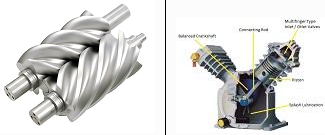
Choosing the right air compressor for your operation is crucial for efficiency, cost-effectiveness, and overall productivity. Among the most popular types of compressors in industrial and commercial settings are rotary screw and piston air compressors. Understanding the differences, advantages, and limitations of each can help you make an informed decision for your operation. In this article, we will explore the features of both types and provide guidance on which might be best suited for your needs.
Understanding Rotary Screw Air Compressors
Rotary screw air compressors use two interlocking helical screws to compress air continuously. The design allows them to provide a steady flow of compressed air, making them ideal for operations that require a large volume of air over extended periods. These compressors are often used in manufacturing plants, automotive workshops, and other industries with continuous air demand.
One of the main advantages of rotary screw air compressors is their efficiency. They are designed for prolonged operation without frequent stops, which reduces wear and tear and increases the lifespan of the machine. Additionally, rotary screw compressors generally produce less noise compared to piston compressors, making them more suitable for indoor and commercial environments.
Another important benefit is their maintenance requirements. While the initial investment may be higher, rotary screw compressors require less frequent maintenance. Components such as the rotors are durable, and the continuous operation minimizes the stress associated with start-stop cycles common in piston compressors. This makes them an excellent choice for operations where downtime can be costly.
Understanding Piston Air Compressors
Piston air compressors, also known as reciprocating compressors, operate by using a piston to compress air within a cylinder. The piston moves up and down, creating pressure that forces air into a storage tank. This type of compressor is typically favored for smaller operations or applications where air is needed intermittently rather than continuously.
One of the primary advantages of piston air compressors is their lower initial cost. They are generally more affordable than rotary screw compressors and are available in a variety of sizes suitable for small workshops, garages, and home use. Additionally, piston compressors are versatile, capable of producing high-pressure air suitable for specific tools and equipment.
However, piston compressors have limitations. They operate in cycles, meaning they are not ideal for continuous air demand. Extended operation can lead to overheating and increased wear on components, which results in more frequent maintenance. Piston compressors also tend to be noisier, which may be a concern in indoor or noise-sensitive environments.
Comparing Efficiency and Performance
When evaluating rotary screw vs piston air compressor, efficiency and performance are key factors. Rotary screw compressors excel in situations that require consistent, high-volume air output. They maintain a stable pressure and are energy-efficient for long-term operation. Their ability to run continuously without frequent rest periods makes them ideal for industrial settings.
On the other hand, piston compressors are suitable for operations that require lower air volume or intermittent use. They are capable of achieving high pressures in short bursts, making them effective for tasks such as inflating tires, powering pneumatic tools, or small-scale manufacturing processes. However, using a piston compressor for continuous industrial operations may lead to increased energy costs and maintenance challenges.
Maintenance and Longevity Considerations
Maintenance is another important factor when deciding between rotary screw vs piston air compressor. Rotary screw compressors require less frequent attention due to their continuous operation and robust design. Scheduled maintenance typically involves checking oil levels, replacing filters, and inspecting the rotors. Because they operate more smoothly and generate less heat, the overall wear is reduced, which extends their lifespan.
In contrast, piston compressors experience more wear due to their start-stop cycles and higher heat generation. Components such as pistons, rings, and valves are subject to regular stress and may need replacement more often. Regular oil changes and monitoring are essential to ensure optimal performance and prevent breakdowns. For operations where minimizing maintenance downtime is critical, a rotary screw compressor is generally more advantageous.
Noise Levels and Environmental Considerations
Noise can be a deciding factor depending on your operational environment. Rotary screw compressors operate at lower decibel levels, making them suitable for indoor facilities and noise-sensitive areas. Their quiet operation can improve workplace comfort and safety, especially in environments where staff spend long hours near the equipment.
Piston compressors, while effective, tend to be noisier due to the reciprocating motion of the pistons and the pressure spikes during operation. In smaller workshops or outdoor use, this may not be an issue. However, for large indoor operations, excessive noise could require additional soundproofing or lead to discomfort for personnel.
Cost Analysis and Investment
When comparing rotary screw vs piston air compressor, the initial investment is an important consideration. Rotary screw compressors typically have a higher upfront cost due to their complex design and industrial-grade components. However, their energy efficiency, reduced maintenance, and longer lifespan can make them a cost-effective option in the long run, especially for high-demand operations.
Piston compressors are more budget-friendly initially and are widely available in various sizes. For small operations or intermittent use, they offer a practical solution without a large upfront investment. However, the potential for higher maintenance costs and shorter operational lifespan should be factored into the total cost of ownership.
Determining the Right Choice for Your Operation
Choosing between a rotary screw vs piston air compressor ultimately depends on your specific operational needs. Consider the following factors:
- Air Demand: For continuous, high-volume air supply, a rotary screw compressor is ideal. For intermittent or lower volume needs, a piston compressor may suffice.
- Budget: If initial cost is a primary concern, piston compressors are more accessible. Long-term cost efficiency favors rotary screw compressors.
- Maintenance Capacity: Operations with limited maintenance resources may benefit from the reliability and reduced upkeep of rotary screw compressors.
- Noise Sensitivity: For indoor operations or noise-sensitive environments, rotary screw compressors are preferable.
- Application Type: High-pressure short bursts are best handled by piston compressors, while steady, continuous air supply suits rotary screw systems.
Conclusion
Deciding between a rotary screw vs piston air compressor requires careful evaluation of your operation’s needs, budget, and maintenance capabilities. Rotary screw compressors are ideal for continuous, high-volume, and noise-sensitive environments, offering efficiency and long-term reliability. Piston compressors are suitable for smaller operations with intermittent air demands and lower initial investment requirements. By understanding the differences and advantages of each type, you can choose the air compressor that aligns with your operational goals and ensures optimal performance.