Jackson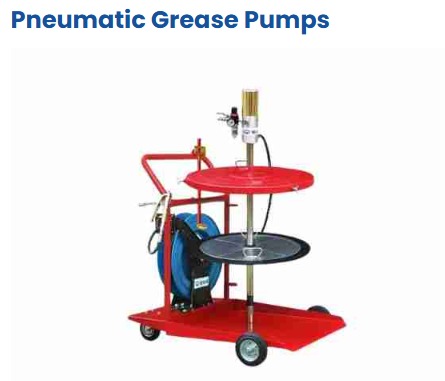
Machinery, whether in industrial plants, automotive applications, or heavy equipment, relies heavily on proper lubrication for smooth and efficient operation. One critical component that often goes unnoticed in machinery maintenance is the grease fitting. These small but vital parts ensure that moving components receive the lubrication they need, ultimately extending the lifespan of equipment and preventing costly breakdowns. In this article, we will explore the importance of grease fittings, their types, proper maintenance, and best practices to maximize machinery longevity.
What Are Grease Fittings?
A grease fitting is a specialized metal component installed in machinery to allow grease to be applied to moving parts without disassembling the equipment. Also known as Zerk fittings, these small nozzles serve as an entry point for lubricants, ensuring critical areas such as bearings, joints, and bushings remain adequately lubricated. Proper use of grease fittings reduces friction and wear, preventing overheating and mechanical failure.
Grease fittings are particularly essential in high-load machinery, where constant movement generates friction that can quickly degrade metal surfaces. Without these fittings, manual lubrication becomes challenging and often inconsistent, leading to uneven wear and premature equipment failure.
Types of Grease Fittings
Grease fittings come in several types to suit different machinery and lubrication needs:
- Standard Straight Fittings: These are the most common and simplest type, providing a direct path for grease into the component.
- Angled Fittings: Available in 45-degree or 90-degree angles, these fittings are used when space constraints prevent the use of straight fittings.
- Button Head Fittings: These low-profile fittings are ideal for tight spaces or applications where protruding parts may be exposed to damage.
- Flush or Countersunk Fittings: Designed to sit flush with the machinery surface, these fittings reduce the risk of catching debris or being knocked off during operation.
Selecting the correct type of grease fitting is critical to ensure proper lubrication and prevent operational issues. Using the wrong fitting can make maintenance difficult and compromise the efficiency of lubrication.
The Role of Grease Fittings in Machinery Maintenance
The primary function of grease fittings is to provide a controlled entry point for lubricants into moving parts. Regular and proper lubrication through these fittings serves multiple purposes:
- Reducing Friction: Grease minimizes friction between metal surfaces, allowing parts to move smoothly.
- Preventing Wear: Consistent lubrication protects bearings and joints from premature wear.
- Protecting Against Contaminants: Grease acts as a barrier against dirt, dust, and moisture that can damage machinery components.
- Enhancing Efficiency: Well-lubricated machinery operates more efficiently, reducing energy consumption and improving performance.
- Extending Machinery Lifespan: Regular use of grease fittings in maintenance routines ensures machinery lasts longer and reduces the frequency of costly repairs.
Neglecting grease fittings can have serious consequences. Without proper lubrication, moving parts can seize, bearings can fail, and machinery downtime can escalate, resulting in lost productivity and high repair expenses.
How to Maintain Grease Fittings
Maintaining grease fittings is straightforward but requires attention to detail. Here are essential steps for effective maintenance:
Inspect Fittings Regularly
Regular inspection of grease fittings ensures they are clean and free from damage. Check for signs of wear, such as bent or broken fittings, and ensure that they are properly seated in their designated holes.
Clean Before Lubrication
Before applying grease, clean the fitting with a rag or brush to remove dirt and debris. Contaminants can be pushed into the machinery if the fitting is not clean, leading to internal damage.
Use the Right Grease
Different machinery requires different types of grease. Using the correct grease ensures optimal performance and prevents chemical incompatibility that can damage components.
Apply Grease Properly
Use a grease gun to apply lubricant through the fitting. Ensure the gun is securely attached to avoid leaks and uneven distribution. Continue until old grease is expelled and fresh grease appears at the edges of the bearing or joint.
Monitor Lubrication Intervals
Establish a maintenance schedule based on manufacturer recommendations and operational conditions. Some machinery requires daily lubrication, while others may need weekly or monthly attention. Keeping track of lubrication intervals prevents over-greasing or under-greasing, both of which can harm machinery.
Replace Damaged Fittings
If a grease fitting is damaged or clogged, replace it immediately. A faulty fitting can prevent lubrication and compromise the machinery’s performance.
Common Issues with Grease Fittings
Despite their simplicity, grease fittings can encounter problems if not properly maintained. Common issues include:
- Clogging: Dirt, hardened grease, or debris can block the fitting, preventing proper lubrication.
- Leaks: Damaged or improperly installed fittings can leak grease, reducing its effectiveness.
- Corrosion: Exposure to moisture can cause fittings to rust, making it difficult to apply grease.
- Over-Greasing: Excessive lubrication can cause seals to fail or grease to escape from the bearing, creating a mess and wasting resources.
Regular maintenance, careful inspection, and correct application techniques help prevent these issues, ensuring grease fittings perform their intended function.
Benefits of Using Grease Fittings in Machinery
Incorporating grease fittings into machinery maintenance offers numerous benefits:
- Cost Savings: Preventing wear and tear reduces the need for frequent repairs and replacements.
- Enhanced Safety: Properly lubricated machinery operates smoothly, minimizing the risk of mechanical failures that could lead to accidents.
- Increased Productivity: Machines that run efficiently with minimal downtime improve overall workflow and output.
- Environmentally Friendly: Well-maintained machinery uses energy more efficiently and reduces waste caused by premature component failure.
Best Practices for Machinery Longevity
To maximize the benefits of grease fittings, follow these best practices:
- Maintain a Lubrication Log: Track each fitting and the dates it was lubricated to ensure consistency.
- Train Maintenance Staff: Ensure that all personnel understand the correct use of grease fittings and the importance of proper lubrication.
- Use Quality Tools and Grease: High-quality grease guns and lubricants reduce the risk of damage and increase efficiency.
- Inspect During Shutdowns: Take advantage of machinery downtime to check all fittings, clean, and replace any worn components.
- Consider Automation: For large industrial operations, automated lubrication systems can feed grease into fittings at scheduled intervals, ensuring consistent maintenance without manual intervention.
Conclusion
Grease fittings may appear small and simple, but their role in machinery maintenance is critical. By providing a reliable point for applying lubrication, these fittings reduce friction, prevent wear, and extend the operational life of machinery. Regular inspection, proper cleaning, correct grease application, and adherence to maintenance schedules ensure that grease fittings function effectively, supporting machinery longevity and operational efficiency. Investing time and attention into the care of grease fittings is a small effort that yields significant returns in performance, safety, and cost savings.
Proper understanding and use of grease fittings transform routine maintenance into a powerful tool for machinery reliability, demonstrating that even the smallest components play a vital role in the smooth operation of complex mechanical systems.