
 Jackson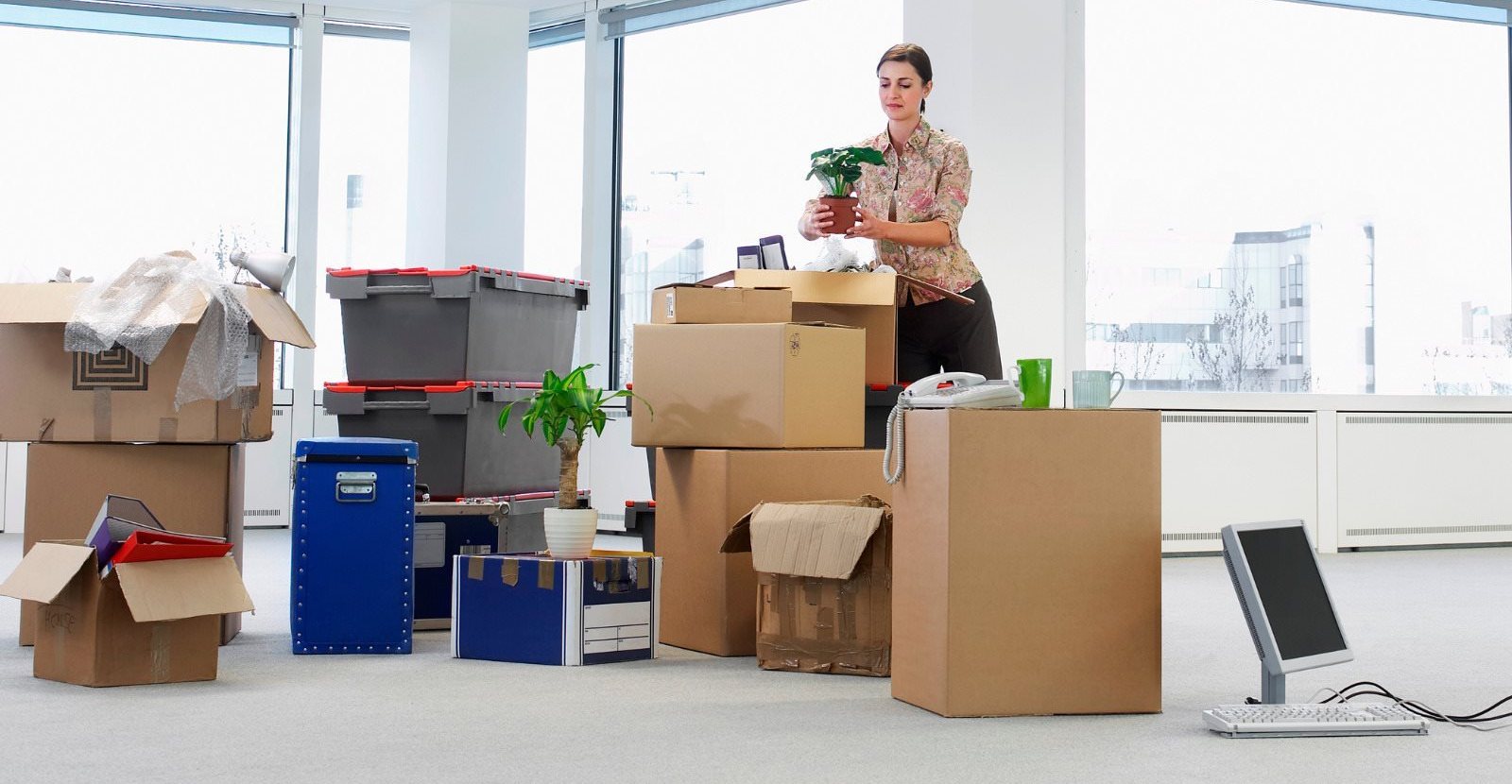
Moving to a new home can be an exciting experience, but it also requires careful planning, organization, and physical effort. Whether you are relocating across the city or moving to a nearby suburb, understanding the process can make the experience much smoother. Chicago Moving Companies assist individuals, families, and businesses with different stages of relocation, from packing and transportation to unloading and final setup. Knowing what to expect at every stage can help you prepare properly and avoid unnecessary stress.
Planning Your Move
The moving process begins well before moving day. Start by determining your preferred moving date, the size of your move, and the type of assistance you need. Consider whether you require complete packing services, transportation only, furniture handling, storage, or help with both packing and unpacking.
Creating a moving timeline is an effective way to stay organized. List important tasks such as sorting belongings, gathering packing supplies, changing your address, arranging utilities, and confirming transportation. Starting early gives you enough time to handle unexpected issues without rushing.
It is also useful to create a realistic moving budget. Expenses can include moving labor, transportation, packing materials, storage, insurance, and additional services. Understanding these costs in advance makes it easier to manage your finances.
Choosing the Right Moving Service
Selecting a suitable moving company is an important part of the process. Chicago Moving Companies may offer different service packages, so compare their services based on your specific needs. A small apartment move may require fewer workers and less equipment than a large family relocation.
When comparing options, ask about pricing, estimated moving time, included services, equipment, cancellation policies, and protection for belongings. A clear estimate should explain what you are paying for and whether additional charges may apply.
It is also important to communicate your requirements accurately. Tell the movers about stairs, elevators, narrow hallways, oversized furniture, parking limitations, or other conditions that could affect the move.
Sorting and Decluttering Belongings
Before packing begins, take time to decide what you actually want to move. Relocation provides an excellent opportunity to remove unwanted or unused items. Divide your belongings into categories such as keep, donate, sell, recycle, and discard.
Reducing the number of items being moved can save time and space. It may also lower moving expenses because there will be fewer boxes and less furniture to transport.
Pay particular attention to items that have not been used for a long time. Moving everything simply because you already own it can create unnecessary work at your new home.
Packing Your Home
Packing is one of the most time-consuming parts of relocation. Begin with items you rarely use and leave everyday necessities until closer to moving day. Seasonal decorations, books, extra kitchen equipment, and decorative objects can usually be packed early.
Use strong boxes and suitable protective materials for fragile possessions. Wrap glassware, electronics, artwork, and other delicate belongings carefully. Avoid making boxes excessively heavy, especially when packing books or other dense items.
Label every box according to its contents and destination. For example, labels such as “Kitchen,” “Bedroom,” or “Bathroom” make unloading and unpacking much easier. You can also mark boxes containing fragile items so they receive appropriate attention.
Preparing for Moving Day
A successful moving day starts with preparation. Confirm the moving date, arrival window, address, contact information, and agreed services with your movers. Make sure there is enough access for the moving vehicle and that parking arrangements are handled when necessary.
Prepare a separate essentials bag for the first day. Include important documents, medications, chargers, toiletries, basic clothing, snacks, water, and other necessities. Keeping these items with you prevents you from searching through numerous boxes after arrival.
Before the movers arrive, secure valuable personal items and important paperwork. Jewelry, financial documents, identification, and irreplaceable possessions may be better transported personally.
Loading and Transportation
Once the moving team arrives, the loading stage begins. Movers generally organize furniture and boxes so that available truck space can be used efficiently. Large furniture pieces may require protective coverings to reduce the risk of scratches or other damage.
During loading, communicate clearly with the moving team. If certain boxes need special handling, point them out. It is also helpful to keep a basic inventory of important belongings so you can check everything after delivery.
Transportation time depends on the distance, traffic, weather, route, and size of the move. Local Chicago moves can still experience delays because of congestion, parking challenges, construction, or building access restrictions.
Unloading at Your New Home
After reaching the destination, the unloading process begins. Give movers clear instructions about where furniture and boxes should go. Having a basic floor plan can make this stage easier.
Instead of placing every box in one central location, direct boxes toward their intended rooms whenever possible. This reduces the amount of work required later.
Check furniture and boxes as they are unloaded. If you notice missing or damaged items, document the issue promptly and follow the moving company’s procedures for reporting it.
Unpacking and Settling In
Unpacking does not need to happen all at once. Start with essential areas such as the bedroom, bathroom, and kitchen. Setting up a comfortable sleeping space and preparing basic meals can make the first day much easier.
Next, unpack according to priority rather than opening random boxes. Work through one room at a time and keep packaging materials organized for recycling or disposal.
As you settle in, update your address with relevant organizations and make sure utilities and essential services are functioning properly.
Making Future Moves Easier
A well-organized move can provide useful lessons for future relocations. Keep important documents related to the move, including estimates, receipts, inventories, and agreements. Store them where they can be accessed easily.
You can also improve future moves by maintaining an organized household. Regularly removing unused belongings reduces the amount of clutter that must eventually be packed.
Working with experienced Chicago Moving Companies can also make future relocations more manageable. Professional assistance can reduce the physical workload, improve organization, and help keep the moving schedule on track.
Final Thoughts
Moving from one home to another involves several connected stages, including planning, decluttering, packing, transportation, unloading, and unpacking. Understanding each stage allows you to prepare more effectively and avoid common problems. With careful organization and the right professional support, a Chicago relocation can become a structured and manageable experience rather than an overwhelming task. The key is to begin planning early, communicate clearly, protect important belongings, and approach the move one step at a time.
